Why Norfolk and Portsmouth Homes Face Severe Foundation Settling Challenges
Talk to any contractor who's spent years handling crawl space repair norfolk va calls, and they'll tell you the same thing pretty much without hesitation. Foundation settling in this part of Hampton Roads isn't really a question of if. It's a question of when, and how bad it gets before somebody notices.
The same things that make this stretch of coastline such a good place to live, being close to the water, the low elevation, all those older historic neighborhoods, happen to be exactly what puts extra stress on whatever's sitting underneath every home here. It doesn't happen suddenly, either. Understanding why this region settles the way it does explains a lot about why generic foundation advice, the kind written for a national audience, tends to miss the mark once you're talking about homes here specifically.
That's exactly why it's worth reading through the full repair picture before assuming your situation matches some typical inland home. crawl space companies near me That guide covers the whole process, from the first inspection through final stabilization, and it's a decent starting point no matter which neighborhood you're in.
The Soil and Water Table Problem
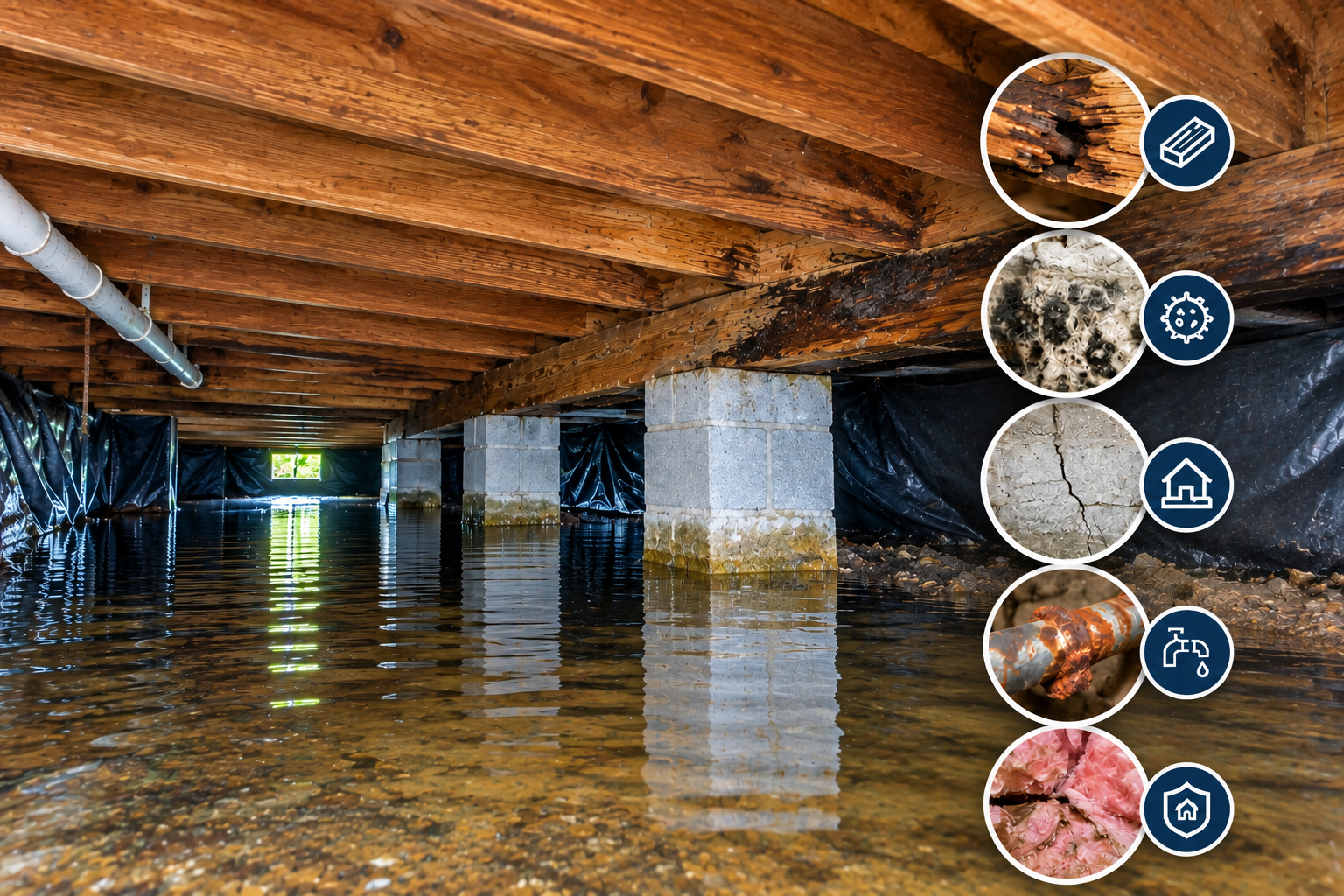
Norfolk and Portsmouth both sit on low-lying coastal plain soil, and the water table underneath is often just a few feet below the surface. Sometimes closer than that, depending on the season and what the tides are doing that particular week. A water table sitting that close to the surface means the soil under a home's foundation stays saturated a good chunk of the time, dries out some during warmer months, then saturates right back up once the rain returns.
Each one of those cycles causes the soil to swell and then shrink, and the foundation resting on top shifts a little more with every swing. It's slow. That's actually part of the problem, because it's easy to miss until the damage becomes hard to ignore.
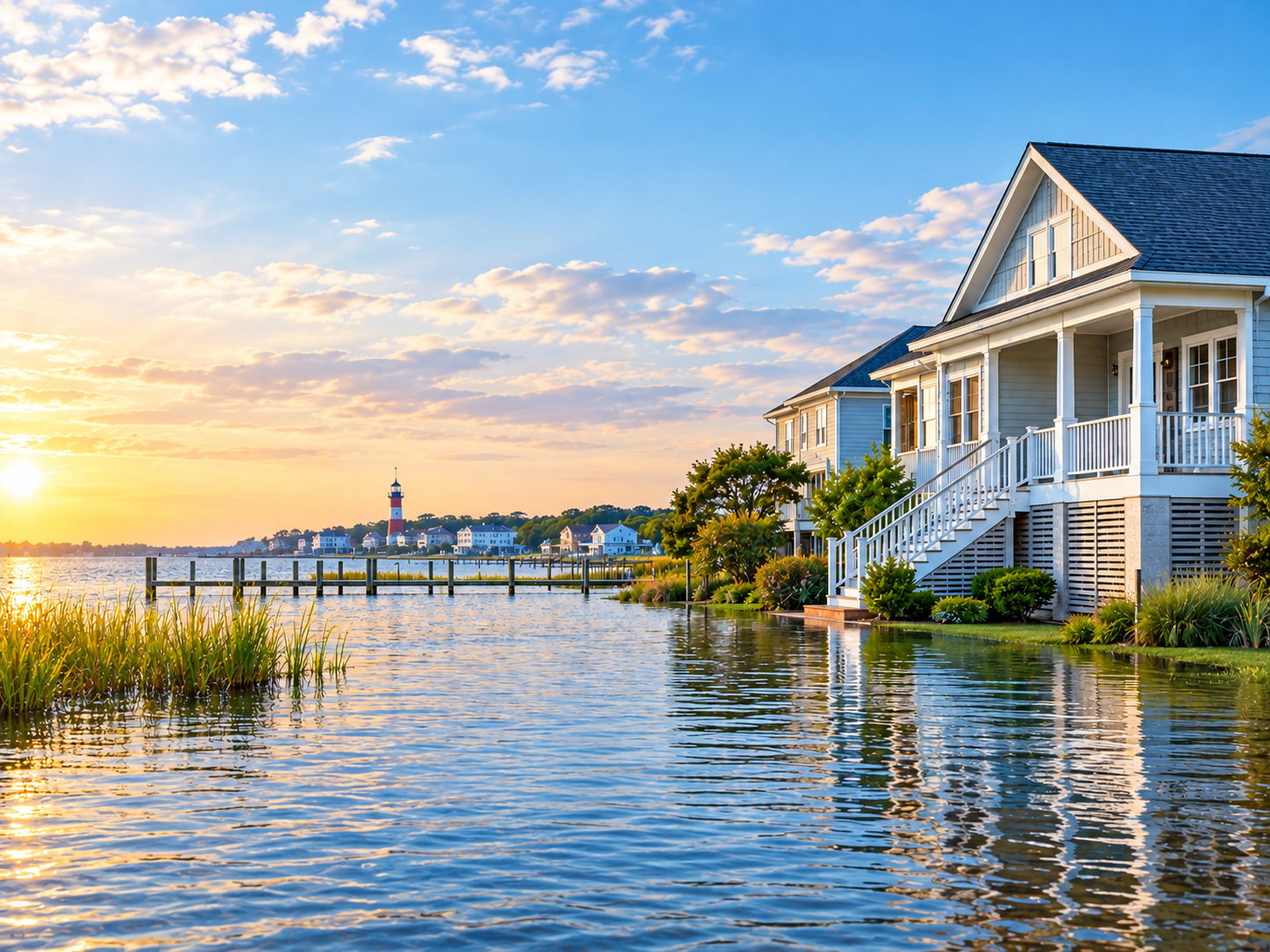
Then there's the region's long history of tidal flooding, plus the nuisance flooding events that seem to be happening more often lately, and the soil saturation issue only gets worse from there. Homes in the lower-lying pockets of both cities deal with groundwater intrusion in a way that inland Hampton Roads properties really don't have to worry about nearly as much.
Neighborhood Factors That Make Things Worse
- A handful of local factors tend to stack on top of each other around here:
- Older housing stock built before modern soil and drainage standards existed
- Close proximity to the Elizabeth River and its tributaries, which keeps local water tables higher
- Dense urban lot sizes that limit how much grading or drainage improvement is even possible
- Aging municipal stormwater infrastructure in parts of both cities
- Historic districts where the original foundation types were never designed with today's flooding frequency in mind
Any one of those, on its own, might be manageable. But stack several of them on the same block, sometimes the same lot, and it starts to explain why foundation repair hampton roads searches trend noticeably higher for Norfolk and Portsmouth zip codes compared to the drier, more inland areas nearby.
What This Actually Means If You Own a Home Here
A foundation problem that might take a full decade to show up in a well-drained inland neighborhood can sometimes appear in half that time on a low-lying Norfolk block. That's not meant to scare anybody away from owning a home here. It's really just meant to explain why keeping an eye on your foundation matters more in this part of the country than it might somewhere else.
Homes near Ghent, downtown Portsmouth, and some of the other historic districts often show settling patterns that trace right back to their original foundation design, a lot of which predates modern engineering standards entirely. That doesn't mean older homes in these neighborhoods are doomed or anything like that. It just means their foundations deserve a closer look, and a more regular one, than a newer home built to current code might need.
Signs Worth Watching in This Area
- Cracks that widen after a heavy rain and narrow back down during dry stretches
- Musty odors that get noticeably stronger after tidal flooding or a storm surge
- Doors and windows that shift with the seasons instead of staying misaligned in one fixed way
- Visible water staining, or that chalky white efflorescence, on crawl space or basement walls
- Settling that seems to track roughly in the direction of the nearest waterway
Not every home shows all of these, or even most of them. But these patterns come up often enough in local inspections that they're worth flagging early, rather than waiting around for something more obvious, and a lot more expensive, to show up instead.
FAQs
Why do Norfolk homes seem to settle faster than homes further inland?
A shallow water table combined with regular tidal influence keeps soil beneath Norfolk foundations cycling between wet and dry more often than inland soil does, which speeds up the settling process over time.
Are older Portsmouth homes more at risk than newer ones?
Many older homes in Portsmouth's historic districts were built before today's foundation and drainage standards existed, which can leave them more susceptible to settling caused by current flooding patterns.
Does flooding directly cause foundation damage on its own?
Not always right away, but repeated saturation from tidal or storm flooding speeds up the soil movement that eventually leads to long-term foundation settling.
How often should homeowners in this area get a foundation inspection?
Given the local soil and water conditions, checking in every year or two is a reasonable baseline, with an extra look after any major flooding event.
Can better drainage alone prevent settling in low-lying neighborhoods?
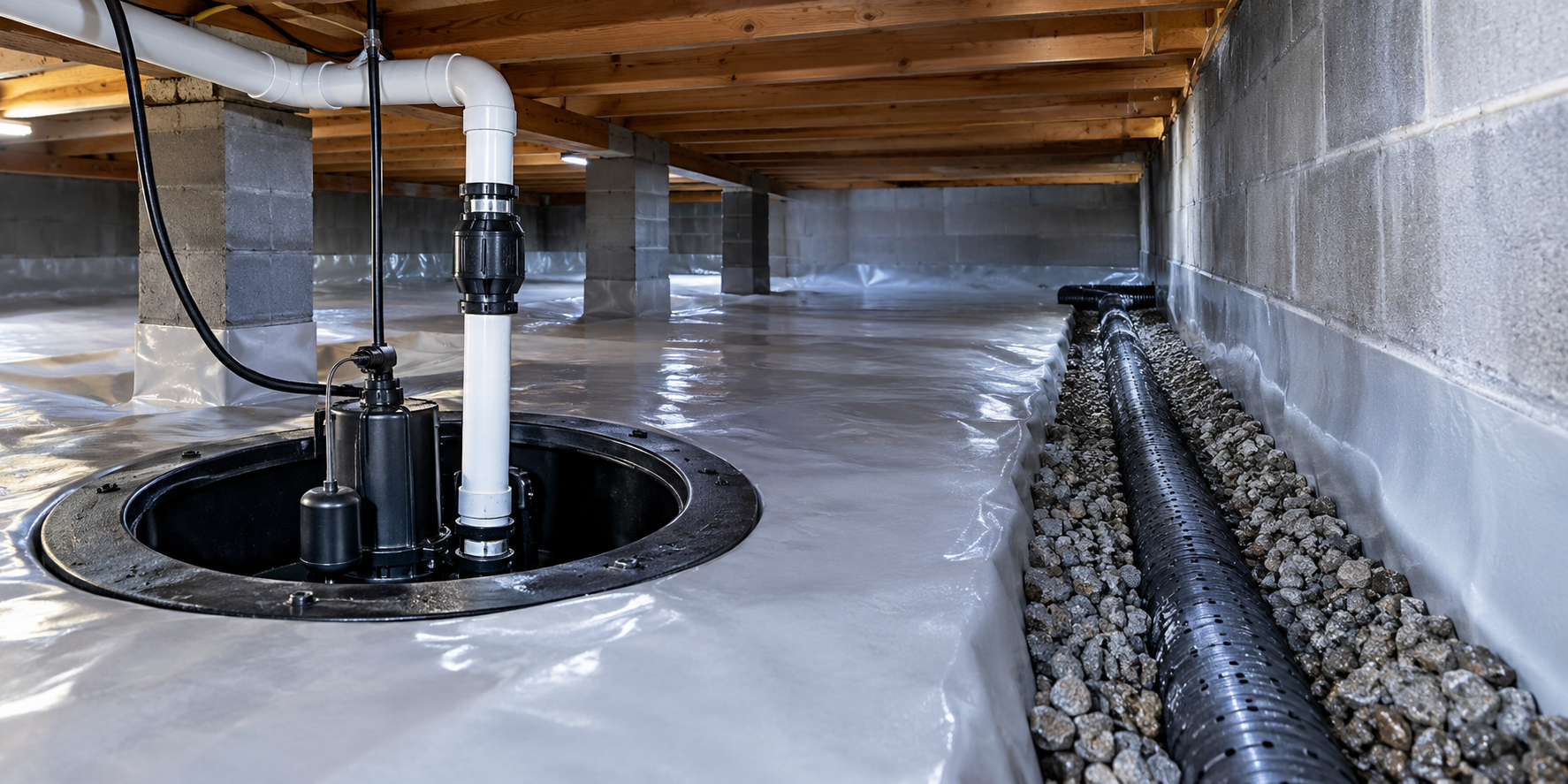
Drainage improvements help quite a bit, but in the lower-lying pockets of Norfolk and Portsmouth, they usually need to be paired with ongoing structural monitoring, since water table fluctuations aren't something drainage alone can fully solve.