What to Do If There Is Active Standing Water After a Storm
Every time a tropical system parks itself over Coastal Virginia, or a nor'easter just refuses to move on, the damage shows up somewhere most people never think to look. Not the roof. Not the windows. The crawl space. Most homeowners in Hampton Roads couldn't tell you the first thing about basement and crawl space waterproofing until the night they're crouched at the access hatch with a flashlight, staring at a few inches of water sitting under their own living room floor. What happens in the next couple of hours actually decides how this plays out. Get it right and it's a messy afternoon. Get it wrong and there's rot nobody can see for the next six months.
So before anyone grabs a pump or climbs in, it helps to know what's actually going on down there. This crawl space waterproofing near me guide covers the full long-term drainage picture for houses in this region, for anyone looking at the bigger fix. Tonight is a different problem though. Tonight is about getting through the next few hours safely, with water already sitting where it shouldn't be.
What Should You Do Immediately After a Storm Floods Your Crawl Space?
Turn off the breaker first and don't even think about entering the crawl space until you have. Look for signs that the posts or joists may be out of place. Once that is done, remove the water and get some air flow to keep mold from forming, which happens quickly in these humid conditions.
There's a reason that order matters and it's not just caution for its own sake. A lot of people skip straight to the pump because water sitting under the house feels urgent, and honestly it is, but live wiring in standing water is how a chore turns into an emergency room visit. Once things calm down, there's a bigger question worth sitting with: was this a fluke, or does the house actually need real crawl space drainage services? Most homeowners only start asking that after the second or third flood, which is later than it should be.
Step-by-Step: The First Two Hours
- Kill the power. Kill the power. Turn off the breaker to any outlets, sump pumps, or lights that may be present in the crawl space. The storm surge causes the water levels to be higher than what most people anticipate, and standing water near live wiring isn't a risk worth gambling on.
- Check the access point before entering. Look for shifted support posts, a sagging subfloor, or anything blocking the hatch. If the ground looks off, it can wait until morning, and it's safer with two people anyway.
- Take photos before touching anything. Water level, damaged insulation, whatever looks wrong. Insurance adjusters want this, and once cleanup starts, that evidence is gone.
- Start pulling the water out. A submersible sump pump moves real volume fast. A wet vac is better for the corners and the smaller stuff a pump can't reach.
- Get airflow going. Fans plus a dehumidifier sized for the space, running for two or three days straight once the water's out.
Skipping step four before dealing with the power, that's where most of the injuries happen. Ten minutes at the breaker box is worth it every time.
Why This Is a Recurring Problem in Certain Neighborhoods
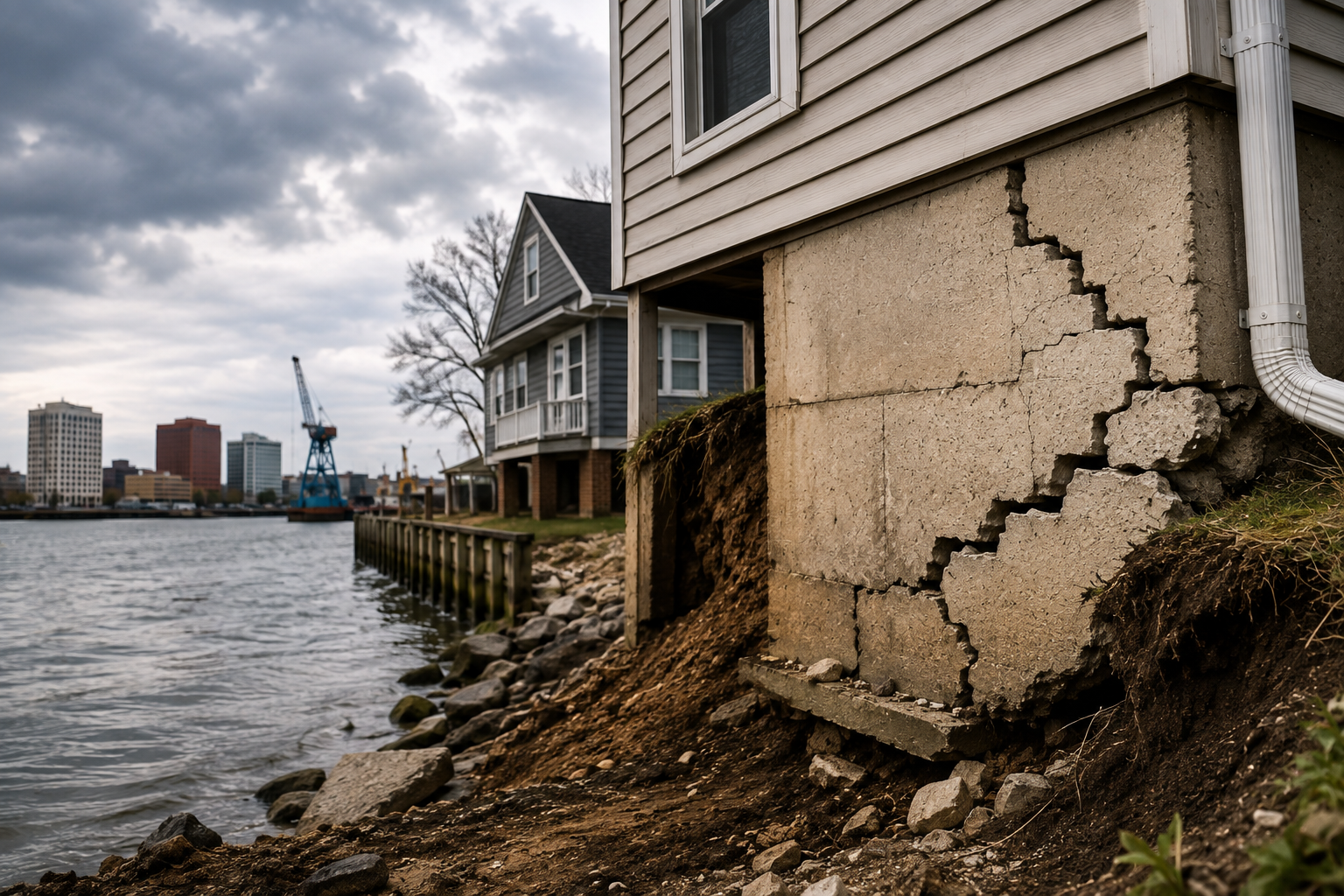
All three areas – Virginia Beach, Norfolk, and Chesapeake – have a common problem, which is a high water table existing below the top layer of sandy soil. While the sand allows for very quick drainage at the surface, the same soil becomes responsible for pushing groundwater horizontally to the crawl space. That's a completely different mechanism than surface flooding. It's also why a house can flood twice in one season without ever taking a direct hit from anything.
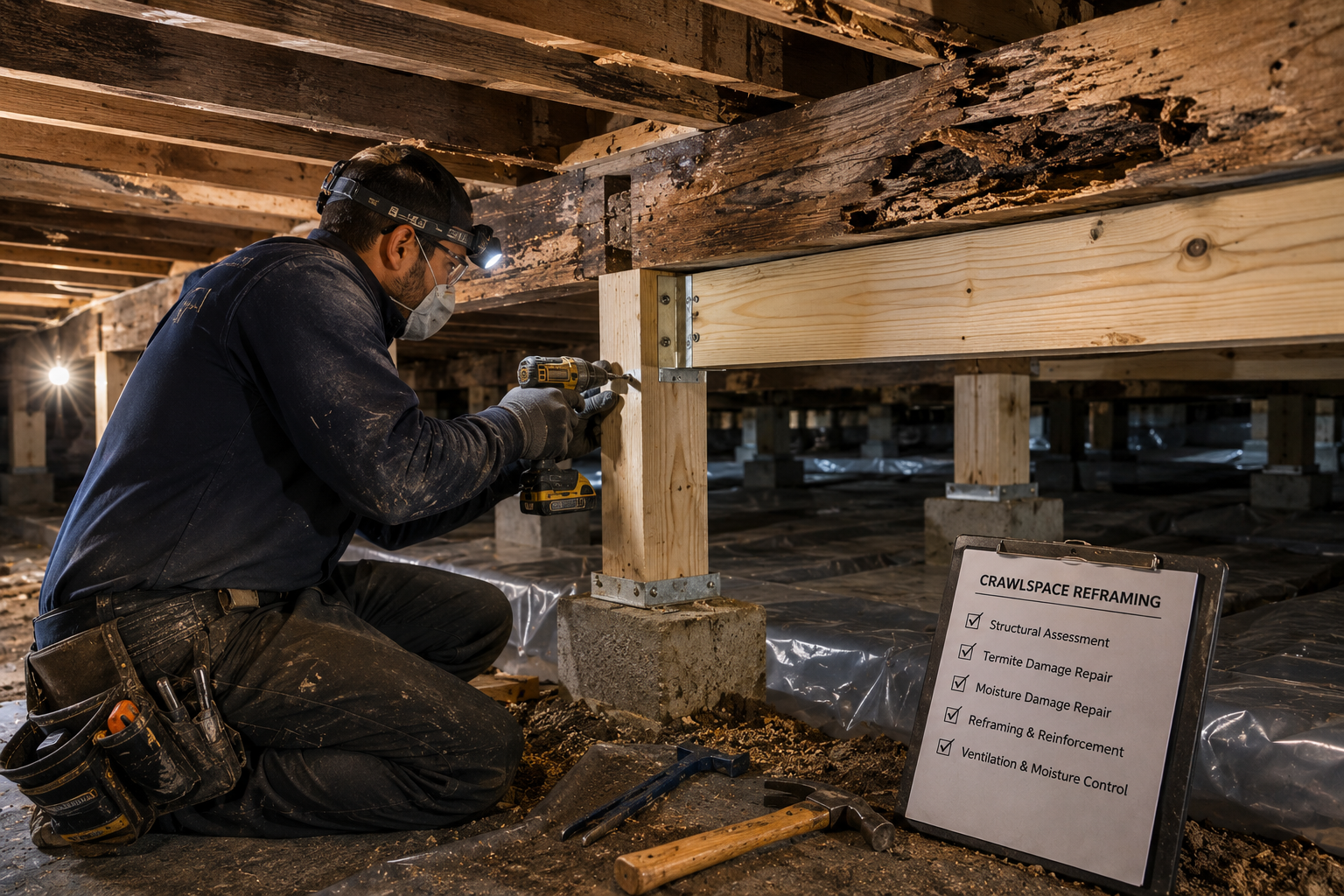
Older homes in Williamsburg and Yorktown are dealing with something else entirely. Historic brick foundations and old-growth timber framing were never built with today's moisture standards in mind, and every wetting cycle wears down wood that's already a hundred years old, usually in places nobody thinks to check.
Then there's the low-elevation group, Cape Charles, Hampton, Poquoson, Portsmouth. Here the soil itself might actually be decent. Elevation is the real enemy, since the water simply has nowhere to drain once it shows up. Newport News and Suffolk sit somewhere between these two situations depending on the specific lot, and both areas have been sending more storm-related crawl space calls each year.
Emergency Extraction vs. Engineered Water Management
A wet vac gets home through one bad night. It won't do a thing for the next storm. Here's roughly where cleaning up after the fact stops helping and an actual system needs to take over.
| Approach | What It Solves | What It Doesn't Solve |
|---|---|---|
| Wet vac / manual pumping | Getting water out after one event | Repeat intrusion, hydrostatic pressure building against the walls |
| Portable dehumidifier | Short-term humidity control | Moisture that's already soaked into the framing |
| French drain installation | Redirects groundwater before it enters | Surface flooding caused by a bad grade |
| Interior sump pump system | Automatic response for next time | The reason the soil keeps saturating to begin with |
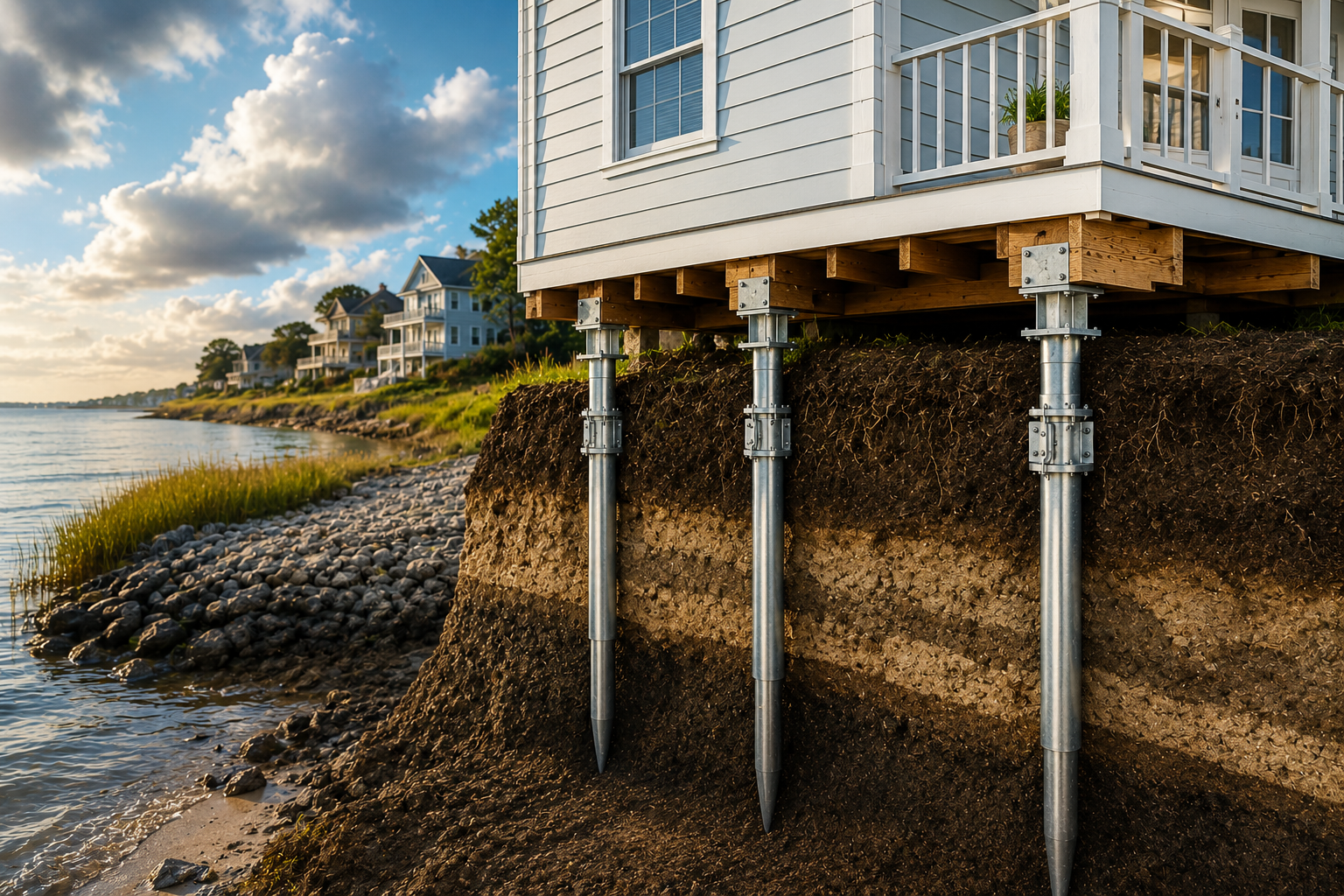
| Full drainage services package | Interior and exterior drainage, vapor barrier, sump redundancy | Not much, honestly, when it's engineered right for the site |
A crawl space that's flooded more than once in the past couple of years, or one turning up water with no obvious storm to blame, usually means the soil around the foundation is holding onto more moisture than it can shed on its own. At that point, what actually matters is the wood moisture content in the framing and the hydrostatic pressure pushing against the foundation walls, not just how many gallons came out with the pump last time.
When to Call a Professional Instead of Handling It Alone
The professionals need to be called if the frame of the house shows any readings higher than 20% wood moisture content or there is mold more than the surface area. Also, if the bearing soil layers seem to have shifted. None of that is cosmetic. A wet vac was never going to fix a structural problem underneath the house.
A real post-storm inspection covers the vapor barrier's condition, whether the sump pump can actually keep up with the lot's drainage load, and the grading around the foundation. That inspection is usually the moment a homeowner finds out whether the fix is a couple of small repairs or a full interior-and-exterior drainage installation.
Frequently Asked Questions
How soon will mold grow following the flooding in the crawl space?
It may take just 24 to 48 hours for mold to grow in such a humid environment on wet insulation and wood – that is exactly why the importance of removing the water and getting proper ventilation cannot be overstated.
Is it safe to go into the crawl space yourself after flooding?
Yes, only if you are sure that the breaker that powers this area has been turned off. Water in the vicinity of an active electrical circuit poses a danger.
Will my home insurance cover the costs of the repairs for this flood?
This all depends on the kind of insurance you have, as well as the source of water. Take pictures of the area before cleaning up.
How can you be sure if this is an isolated incident or recurring drainage issue?
Flooding straight away after a heavy rain is certainly an event. However, if flooding happens even without any heavy rain, then groundwater exists.
How is a sump pump different from a French drain?
The former pumps out water after it enters while the latter pumps out water before reaching the foundation. Most drainage systems used in this place use both.
Standing water after a storm is something a household can get through in a night. But the houses that keep flooding, storm after storm, usually need a real system down there, not another trip for a wet vac. For a crawl space that's been through this before, it's probably worth having someone actually look at what's happening below the house with proper basement and crawl space waterproofing, instead of resetting the clock and waiting for the next one to hit.