Sump Pumps vs. French Drains: Engineering the Ideal Water Management System
Two fixes tend to get pitched when a crawl space has a moisture problem. A sump pump. A French drain. Sometimes both at once. Most homeowners looking up crawl space drainage systems near me get handed a quote with almost no explanation of why one system got picked over the other.
They aren't even solving the same problem, most of the time. A sump pump deals with water that's already made its way inside the crawl space. A French drain tries to stop that water before it ever gets in. One reacts. One prevents. That difference matters a lot more than most quotes ever explain.
Before going further into either one, it helps to see the bigger picture first. Our water management systems guide walks through the full drainage setup for homes in this region, worth a look for anyone comparing a complete system instead of just one fix.
How a Sump Pump Actually Works
A sump pump is located inside the pit that is constructed in the lowest part of the crawl space. The water flows into the pit as a result of the sloping grade underneath the vapor barrier. When the water reaches a certain level, the float switch starts the pump and pumps out the water through a pipe that leads away from the foundation.
This is a reactive process. It involves dealing with water that is already present and not water that seeks entry into the structure. Having a battery-operated sump-pump is vital in case of an electrical blackout, something that becomes more important only until the day when a storm that will cause blackouts is the same one that causes flooding in the crawl space.
How a French Drain Actually Works
A French drain is really just a trench. Fill it with gravel, run a perforated pipe through it, place it along the inside or outside edge of the foundation. Groundwater pushing against the foundation gets caught by that trench before it can force its way through the wall or rise up through the crawl space floor.
No pump here. No float switch. Nothing with moving parts that can fail mid-storm. Water gets redirected before it ever becomes a standing water problem inside the space at all.
Which System Actually Solves Crawl Space Water Problems?
Neither one solves everything by itself. A French drain catches groundwater before it gets in. A sump pump deals with whatever gets in anyway, a heavy storm, a leaky pipe, or water the drain missed. Most well built systems around here use both at the same time.
Sump Pump vs. French Drain: Quick Comparison
| Factor | Sump Pump | French Drain |
|---|---|---|
| When it activates | After water arrives | Before water enters |
| Power required | Yes, plus battery backup | No |
| Best for | Active flooding, plumbing leaks | Chronic groundwater intrusion |
| Maintenance | Float switch, battery checks | Occasional drain flushing |
| Installation | Faster, less disruptive | More labor, full perimeter dig |
A crawl space sitting on a genuinely high water table needs the French drain doing most of the work. One dealing with occasional flooding from surface runoff or a burst pipe leans harder on the sump pump instead. Most Hampton Roads homes end up better off with both, rather than picking just one and hoping it's enough.
Why the Right Answer Changes by Neighborhood
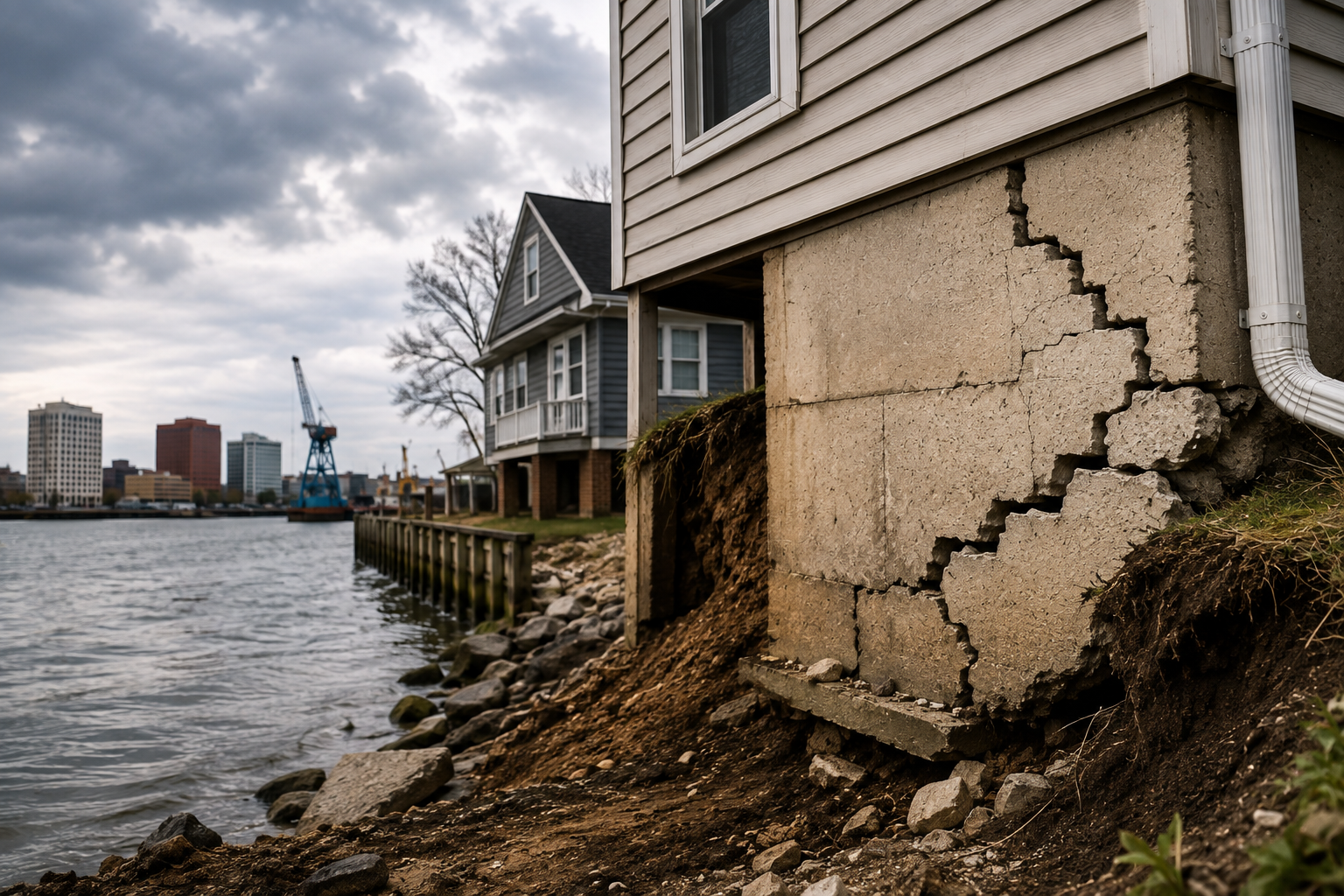
Soil types and water table depth vary greatly in this region, and this variation determines the dominance of the system.
In Virginia Beach, Norfolk, and Chesapeake, there are high water tables in areas covered with sandy topsoil. Although the sand will drain quickly at the surface level, the water will flow horizontally when the soil is saturated. That's exactly why the French drain matters more here. A sump-pump running alone in these spots tends to just run nonstop without ever really catching up.
Williamsburg and Yorktown bring a different kind of problem. Historic brick foundations and old-growth timber framing weren't built with today's moisture standards in mind, and repeated wetting cycles wear the materials down in ways that stay hidden until real damage has already set in. A French drain protecting these older foundations ends up doing double duty here, managing water and protecting materials nobody can just swap out like modern lumber.
Cape Charles, Hampton, Poquoson, and Portsmouth deal with something else again, low elevation. Water has nowhere to run off even when the soil itself drains fine. That often makes the sump-pump the more important piece, since pooling water at the surface eventually finds a way in no matter how good the perimeter drain is. Newport News and Suffolk see a mix of both problems depending on the lot, and both areas have been sending more drainage calls lately as more homes go up.
Signs a Property Needs Both Systems Installed Together
A few warning signs tend to point toward needing both, not just one.
- Standing water shows up after storms even with an existing sump pump.
- Musty smells stick around even with a working vapor barrier.
- Wood framing reads high moisture during a routine check.
- The crawl space has flooded more than once in the last two years.
- Humidity inside stays above 55 percent even during dry weather.
One of these alone might not mean much. Two or more together usually means the current setup just isn't handling the water load the property actually has.
What a Properly Engineered System Looks Like
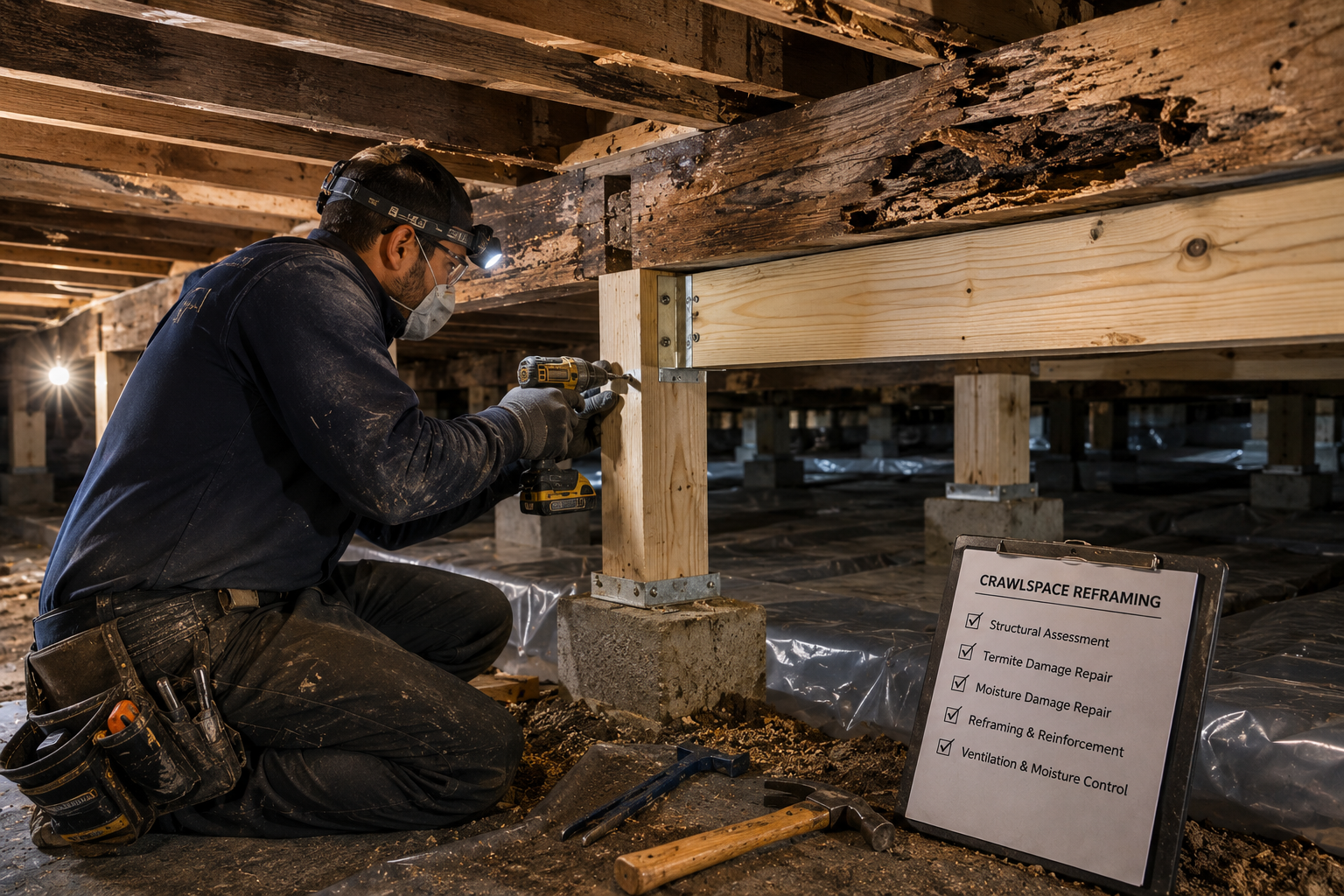
A full system pairs interior drainage with a sump pump sized right for the crawl space's square footage and the local water table. Undersized pumps are a common problem here, since a pump built for a small space won't keep up once a real storm hits a bigger one.
Grading around the outside of the foundation matters just as much as anything installed underneath the house. Water pushed away at the surface never even becomes the crawl space's problem, and that's often the cheapest part of the whole setup, and the most overlooked. Anyone comparing options nearby should ask straight up whether exterior grading is even part of the quote, since a lot of proposals skip it entirely.
Frequently Asked Questions
Can you have a French drain without having a sump pump?
Yes, sometimes, particularly when it is only the problem of groundwater infiltration that exists, and not surface flooding. But most drainage experts advise that it is better to have both just in case of large-scale storms.
How long do sump pumps last?
Under normal circumstances, most sump pumps will last 7-10 years, although pumps that have to work extra hard because of a higher water table may need to be replaced before this. Batteries should be tested and replaced every 2-3 years.
Does a French drain installation mean tearing out the entire crawl space?
In general, a French drain inside of the house is just an issue of trenching along the sides rather than digging up the entire floor surface. It's hard work, but definitely not as invasive as foundation digging.
Will a French drain stop existing musty smells in a crawl space?
It can help a lot if groundwater was the actual cause. If smells stick around after installation, something else is usually going on too, like weak ventilation or gaps in the vapor barrier.
How do I know if my crawl space's water table is genuinely high?
Water that suddenly appears without a storm in sight, or is even there during periods without rain at all, indicates a higher water table rather than runoff.
Determining whether a sump pump or a French drain is right for your home has nothing to do with which one is the better of the two. Instead, it is about which solution will fit your particular problem – and many homeowners in Hampton Roads find that they have both.