How Foundation Push Piers Stabilize Homes in Shifting Coastal VA Soils
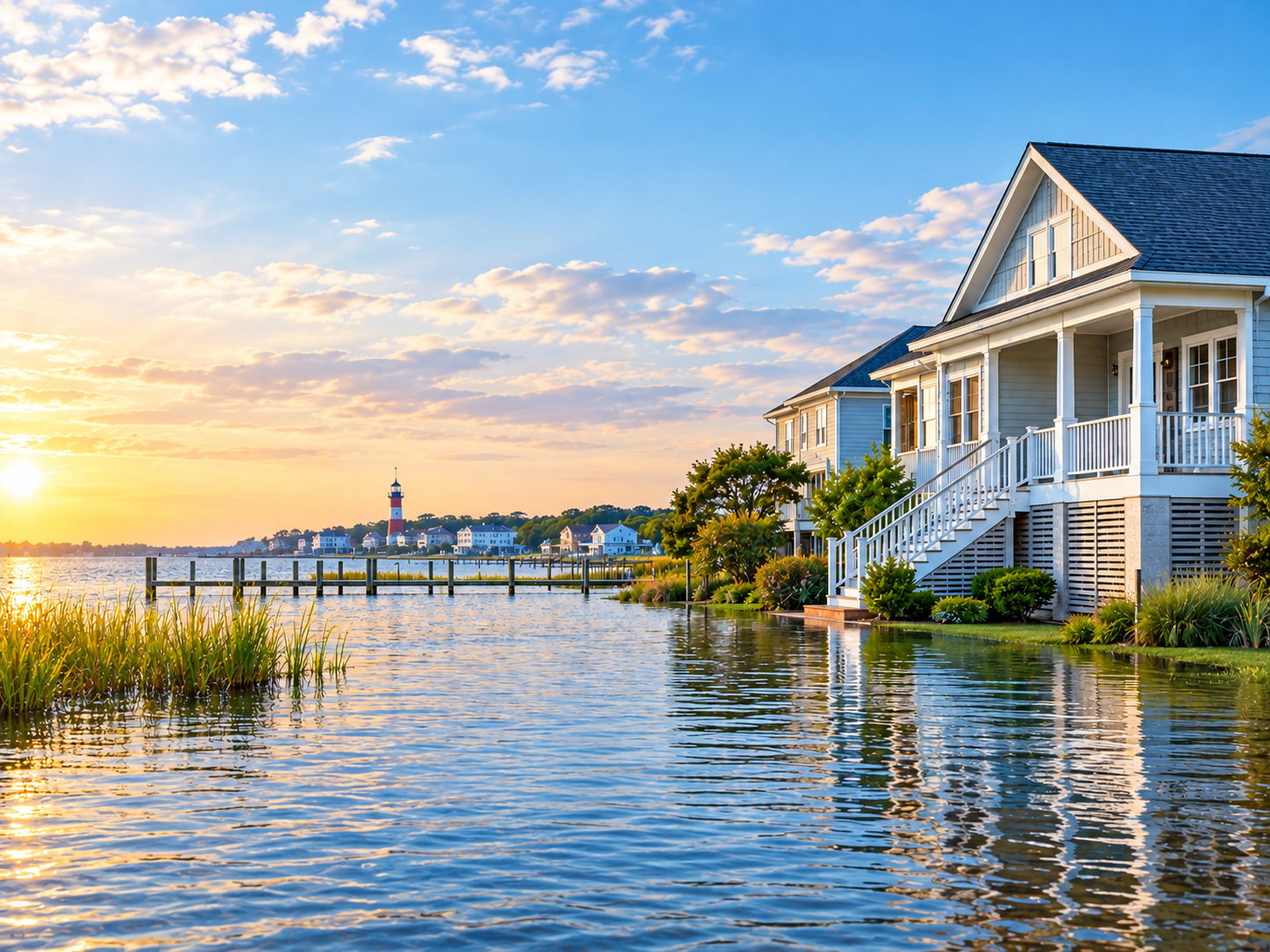
Homes near the Hampton Roads coastline often end up needing a foundation push pier support system Virginia beach solution well before the owner ever expected. Sandy, wet soil moves with every hard rain, and that constant shifting shows up eventually, usually as a cracked wall or a floor that doesn't feel quite level anymore.
It's a slow thing. A house’s foundation doesn’t just suddenly collapse one day; this is not how it works. The truth is that it starts much less noticeably than that: a door begins to stick first a bit, then increasingly. There appears a small crack somewhere near the window, but no one even notices it at first. Wait a year or two and the crack gets bigger.
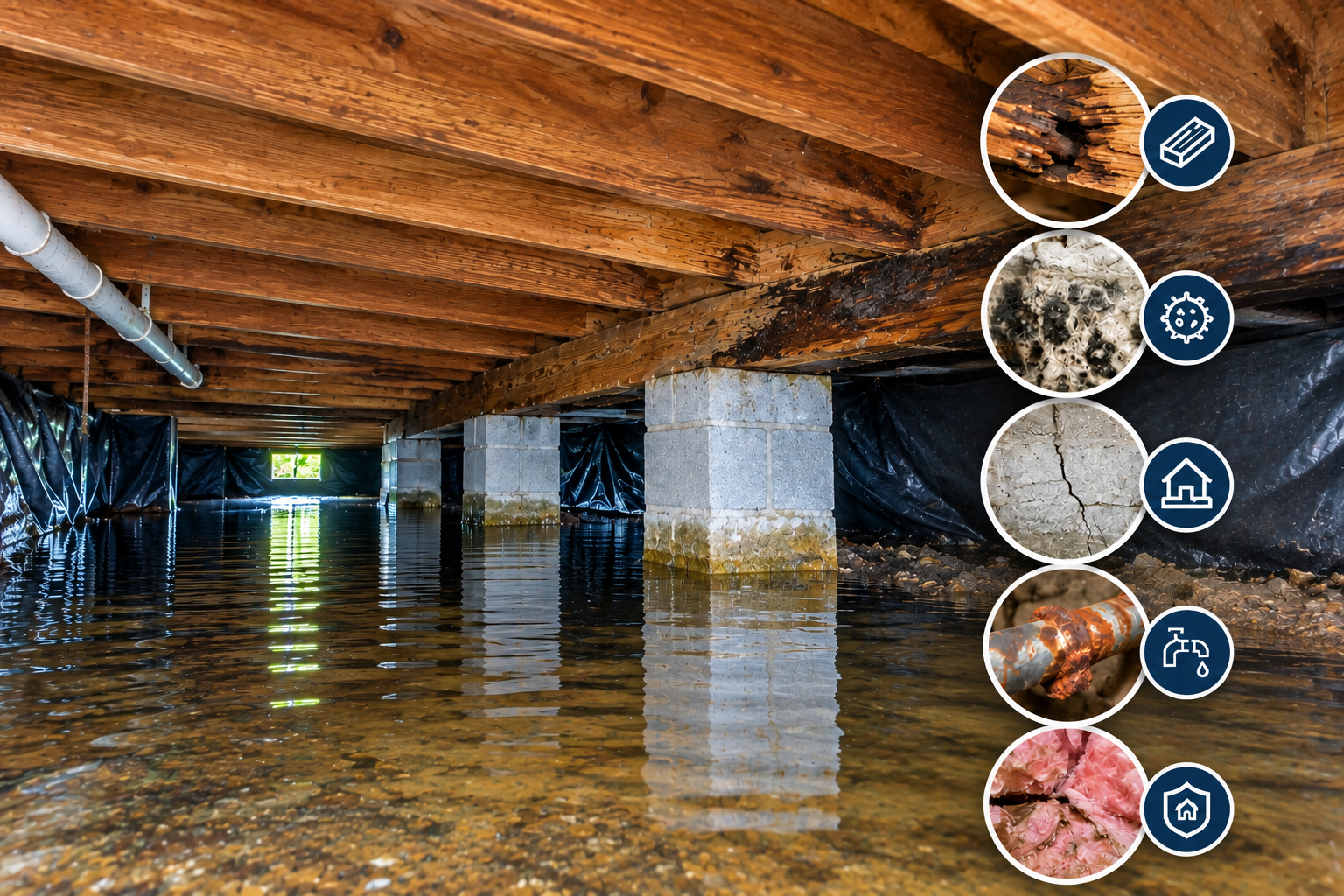
Push piers aren't the only fix homes around here end up needing, though, and that's worth mentioning up front.This combination appears more frequently than anything else, so it is always good to be aware of the problem and whether or not your house suffers from one or the other. crawl space repair near me In this guide, there is an overview of the whole range of symptoms, from structural cracks to wood rot, which will help you determine the appropriate type of repair.
Okay, so why does this happen so much around here in the first place? Let's back up a bit.
Why Local Soil Causes So Much Trouble
Virginia Beach and the rest of the coastal plain sit on a mix of sand and clay, and underneath all of that is a water table that moves up and down with the seasons. Rain comes in, the soil soaks it up and swells. Dry spell hits, the soil shrinks back down. Your foundation is just sitting there on top of all that motion, and every single cycle nudges it a bit further out of place than before.
Older homes tend to feel this the worst, mostly because they were built before soil testing was really a standard part of construction. But don't assume a newer build is automatically in the clear. If a lot got graded or filled in with dirt before anyone poured a foundation, that soil keeps settling unevenly for years afterward, sometimes long after the family's already moved in and hung pictures on the walls.
What a Push Pier System Actually Does
Here's the simplest way to think about it. Push piers skip right past the unstable soil near the surface and anchor the home into something solid much further down, sometimes all the way to bedrock. Steel pier sections get driven in one after another using hydraulic pressure, and once they hit soil that isn't going anywhere, brackets tie the piers to the foundation and the weight of the house transfers onto them instead of the shifting ground.
Hydraulic jacks may be used to lift the settled portion of the house back to its original position. Usually not entirely even, but at least close enough that most people can tell that something was done.
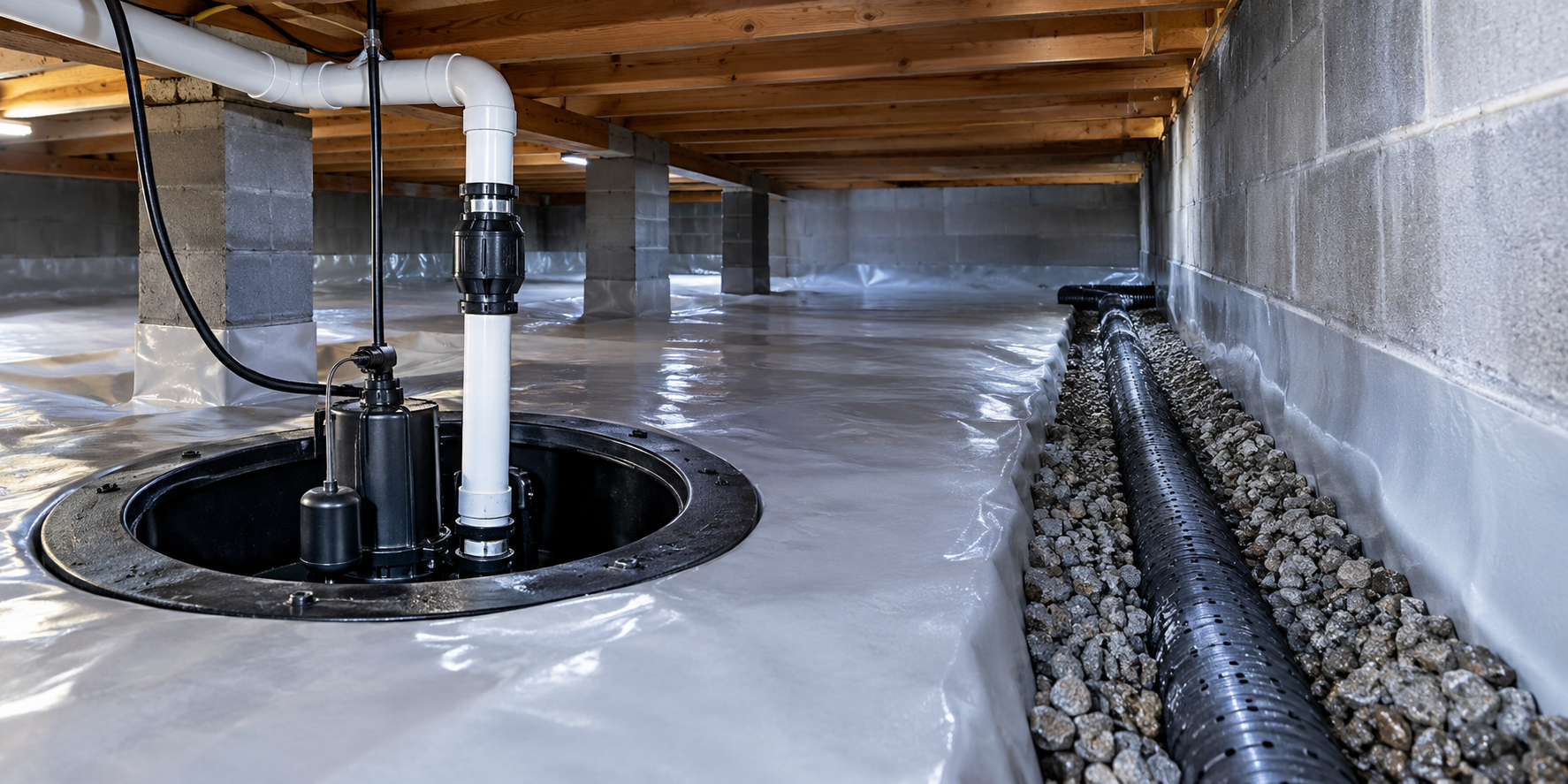
One thing worth clearing up: push piers deal with the foundation itself. Crawl space work is a different animal entirely, usually dealing with moisture, rot, and weakened floor joists sitting above the footing rather than below it. Plenty of homes need both kinds of repair at once, since sagging floors upstairs and cracking down below have a habit of showing up as a matched set.
Signs That Piers Might Be Necessary
A handful of warning signs tend to repeat themselves in homes that end up needing piers:
- Diagonal cracks near windows or door frames
- Doors and windows sticking, dragging, or refusing to latch like they used to
- Gaps opening up where the foundation meets the siding
- Floors that feel noticeably uneven, or that slope toward one side of the room
- A chimney that looks like it's pulling away from the rest of the house, even slightly
None of these on their own automatically means you need piers. Plenty of homes with one or two of these symptoms just need regular structural repair work, nothing more dramatic than that. Which is exactly why a real inspection matters before anyone signs off on a pier installation.
What Actually Happens During the Repair
Most push pier jobs follow roughly the same path, start to finish:
- A structural assessment and soil evaluation to see how deep the settling goes and what's driving it
- Excavation at each spot along the foundation where a pier goes in
- Hydraulic driving of steel pier sections down to load-bearing depth
- Bracket installation and a careful lift of the settled section
- Backfilling and cleanup once everything's stable
For a typical house, this whole process is done in days, not weeks. Homes with settling spread across several walls take longer, simply because each pier point needs its own excavation and its own careful handling.
Something people don't always expect going in: not every pier location needs the same amount of work. A crew might find one corner of a house has dropped a lot more than the rest, so lift amounts and dig depth can swing quite a bit even within the same project.
Why This Isn't a Repair to Put Off
Foundation settling doesn't sit still, and it definitely doesn't fix itself. Even something as simple as a fine crack or a slightly difficult door could become a very serious problem after a couple years, especially if the soil movement below continues. If detected early, there is usually only a small repair that needs to be done, but if detected late, then it may take repairing three walls instead of one.
FAQs
How long do foundation push piers last?
Push pier systems are built to last the life of the home, often carrying warranties of 25 years or more. Since they anchor into stable soil, they don't shift around with the seasons the way the original foundation did.
Will push piers return my foundation to being level?
Probably yes, although the degree of lift will depend upon how long the settlement has occurred and how much pressure the structure can withstand without forming new cracks somewhere else.
Will there be any disruption of my lawn/landscaping from this work?
Some digging occurs at each pier location, so landscaping around the piers might require a bit of cleanup after. Contractors typically make each digging location as small as is feasible.
What is the difference between piers and crawl space work?
Inspection by an engineer will reveal the cause of the problem and whether piers or a different type of repair is needed. A lot of homes end up needing both.
Will homeowners insurance help cover this?
Depends heavily on your policy and how the cause of settling gets documented. Worth calling your insurer early on and holding onto any inspection paperwork you collect along the way.