Why Crawl Space Encapsulation in Virginia Beach Is More Than Just Moisture Control
Most homeowners do not think about their crawlspace until something inside the house starts feeling wrong. Floors begin to slope slightly. The air feels damp. A musty odor becomes harder to ignore. Sometimes hardwood floors start separating, or the home suddenly feels harder to cool during the summer.
What many homeowners eventually discover is that these issues are often connected to one thing happening underneath the structure: uncontrolled crawlspace moisture.
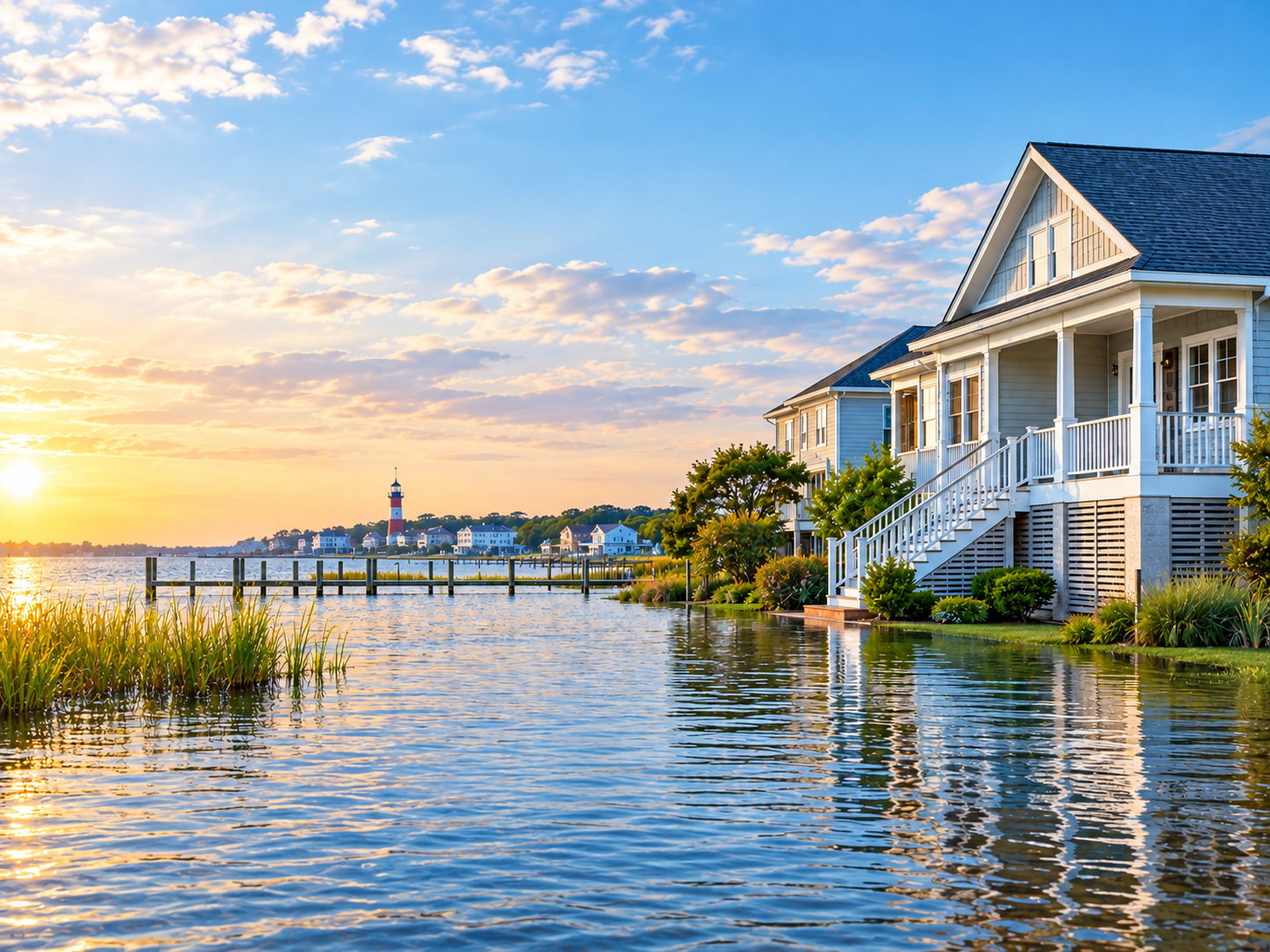
In coastal regions like Virginia Beach, crawlspaces are exposed to constant humidity, changing groundwater conditions, and heavy seasonal moisture. Over time, that environment begins affecting the wood, insulation, air quality, and structural stability beneath the home. That is why more homeowners are actively searching for long-term crawl space solutions near me instead of temporary surface-level fixes.
Among the most effective solutions available today is crawlspace encapsulation by Coastal Crawlspace. But encapsulation is not simply about covering the crawlspace floor with plastic. A professionally designed system changes the entire environment beneath the home and helps prevent problems that can eventually become extremely expensive to repair.
Why Virginia Beach Crawlspaces Are Vulnerable to Moisture
Traditional crawlspaces were built around the idea that ventilation would naturally remove moisture from beneath the home. Open foundation vents allowed outside air to move through the crawlspace in an attempt to keep the area dry.
In humid climates like Virginia Beach, however, this design often creates the opposite effect.
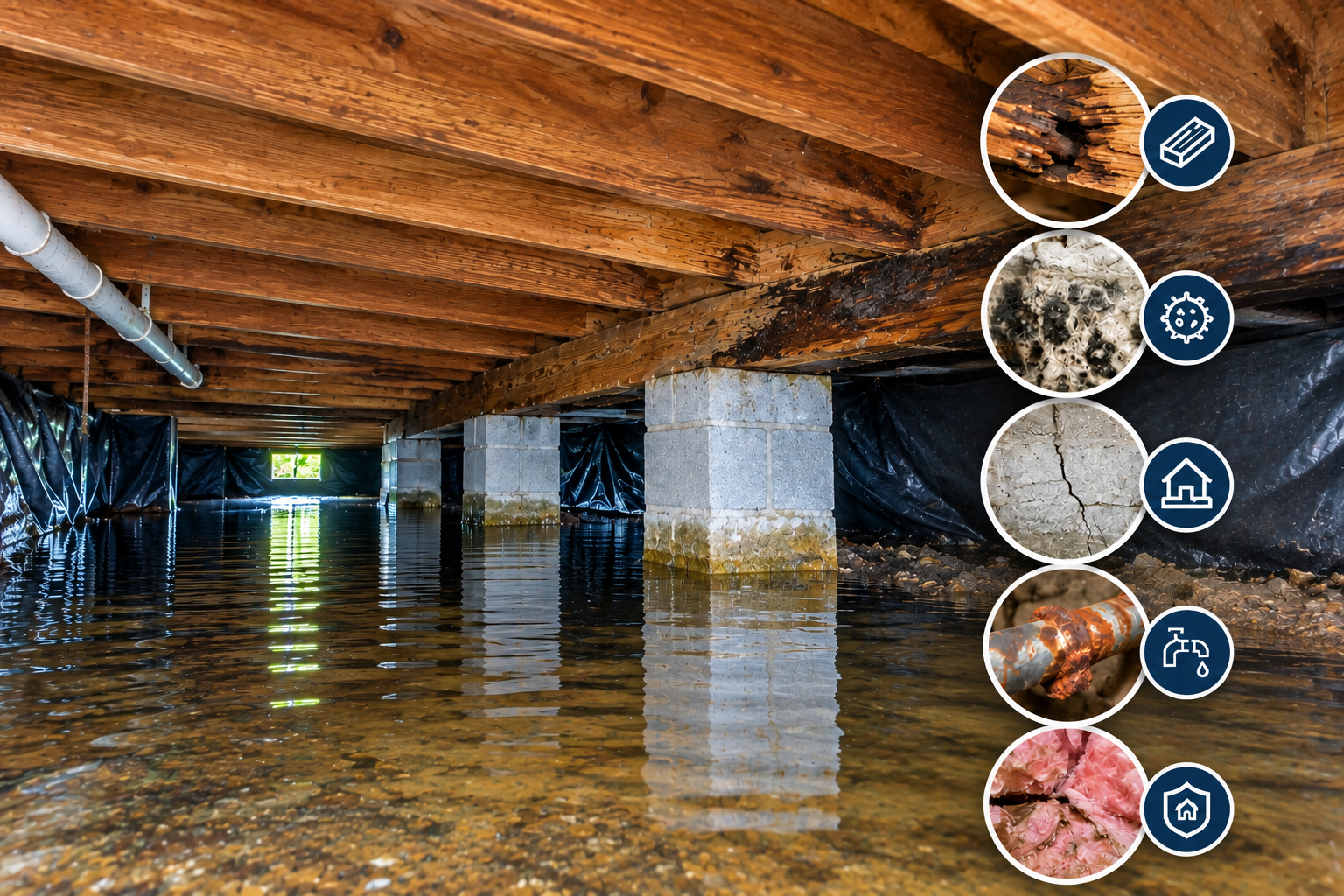
Warm outdoor air carries large amounts of moisture. When that humid air enters the cooler crawlspace, condensation begins forming on surfaces like:
- Floor joists
- Ductwork
- Insulation
- Pipes
- Subflooring
This repeated cycle of condensation keeps the crawlspace damp for long periods throughout the year. Over time, excess moisture accumulates inside wooden structural materials and creates ideal conditions for mold, mildew, and wood deterioration.
Many homeowners only begin looking for crawl space specialists near me after signs of damage begin appearing inside the home itself.
The Connection Between Crawlspace Moisture and Sagging Floors
One of the most common structural symptoms associated with crawlspace moisture is sagging or uneven floors.
The crawlspace contains the support system responsible for carrying the weight of the flooring above. When floor joists remain exposed to elevated humidity for extended periods, the wood begins to weaken. Instead of remaining rigid and stable under load, the joists slowly lose strength and begin deflecting under pressure.
This often leads to:
- Sloping floors
- Soft or bouncy floor sections
- Floor separation
- Interior wall cracking
- Uneven transitions between rooms
These problems rarely happen suddenly. Moisture damage is progressive, meaning the structure weakens gradually over time.
Crawl Space Encapsulation Virginia Beach: What the Process Actually Includes
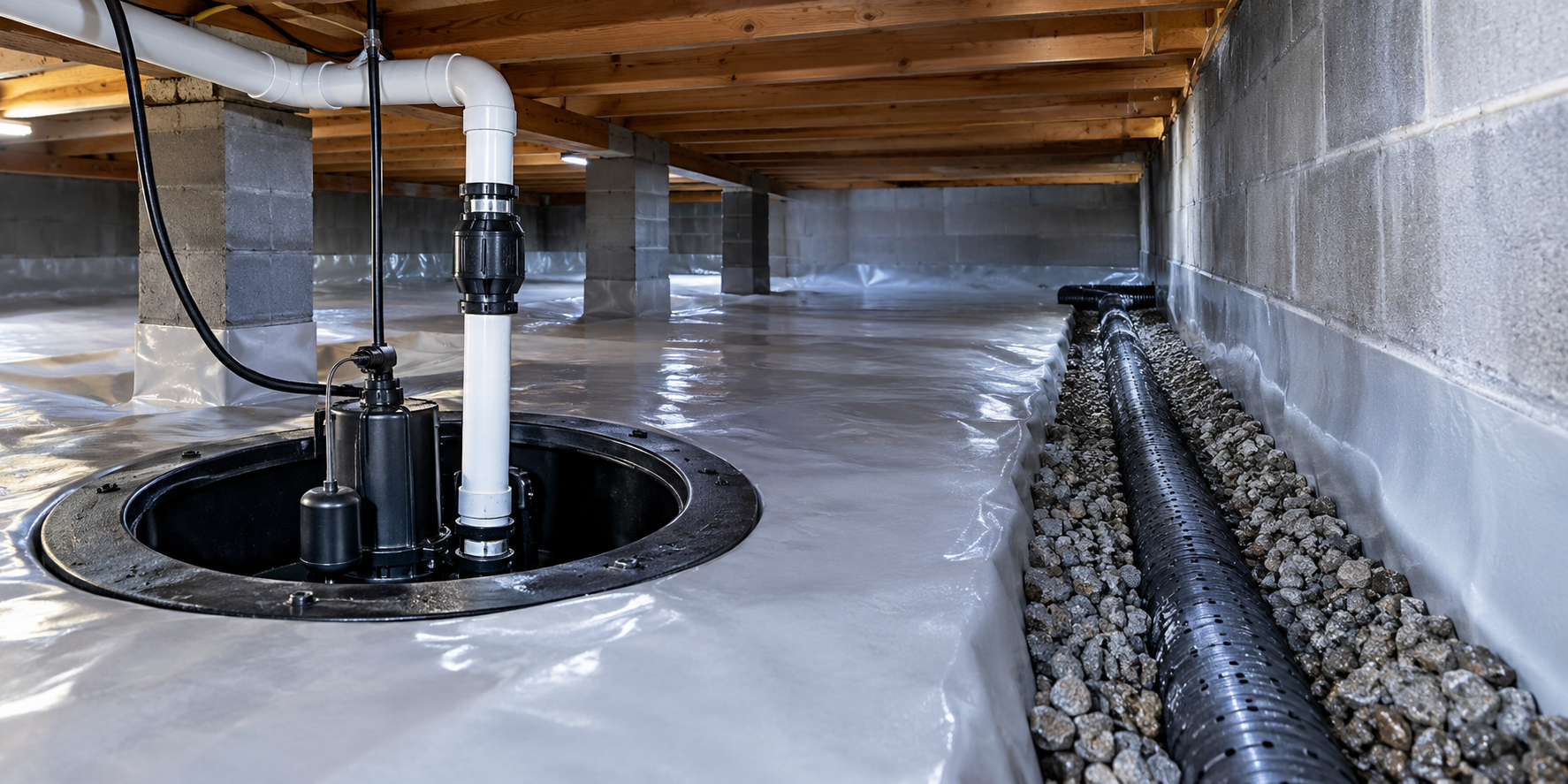
Coastal Crawlspace’s professional crawl space encapsulation Virginia Beach system is designed to create a sealed and controlled environment beneath the home.
Instead of allowing outdoor air and ground moisture to continuously enter the crawlspace, encapsulation isolates the area and regulates humidity levels long-term.
A complete encapsulation system typically includes several components working together:
Vapor Barrier Installation
A heavy-duty vapor barrier is installed across the crawlspace floor and foundation walls to prevent ground moisture from evaporating into the air beneath the home.
Crawlspace Vent Sealing
Open vents and air gaps are sealed to reduce humid outdoor air entering the crawlspace.
Humidity Control Through Dehumidification
Commercial-grade dehumidifiers maintain stable humidity levels year-round and help prevent condensation from forming on structural materials.
Air Sealing Around Penetrations
Small openings around pipes, wiring, and ductwork are sealed to further limit moisture intrusion.
Encapsulation is not simply cosmetic. It is an environmental control system designed to protect the structure itself.
Why Encapsulation Helps Protect Indoor Air Quality
Many homeowners are surprised to learn how much crawlspace conditions affect the air inside the home.
Air naturally rises upward through a structure due to pressure differences. This means the air inside the crawlspace eventually circulates throughout the living space above. If the crawlspace contains elevated humidity, mold spores, or musty odors, those contaminants often migrate into the home itself.
This can contribute to:
- Persistent musty smells
- Increased indoor humidity
- Allergy irritation
- Poor air circulation
- HVAC inefficiency
Encapsulation helps stabilize the crawlspace environment, which often improves indoor comfort and overall air quality throughout the house.
Why Temporary Moisture Fixes Usually Fail
Homeowners often attempt to address crawlspace symptoms from inside the home first. They may replace flooring, install room dehumidifiers, repaint walls, or attempt to mask odors.
While these measures may improve symptoms temporarily, they do not stop moisture from entering the crawlspace.
As long as the underlying environment remains damp, deterioration continues beneath the home.
That is why long-term crawl space solutions near me typically focus on controlling the moisture source itself rather than only addressing visible symptoms upstairs.
When Crawlspace Moisture Leads to Structural Repairs
In some homes, moisture exposure continues long enough that structural materials become severely weakened.
When this happens, encapsulation alone may not fully resolve the problem. Additional repairs can become necessary, including:
- Crawlspace support systems
- Floor joist reinforcement
- Crawlspace reframing
- Foundation stabilization
The earlier moisture issues are identified, the more likely homeowners can avoid larger structural repair costs later.
This is one reason many professionals recommend scheduling a free crawl space inspection as soon as warning signs begin appearing.
Signs Your Crawlspace May Already Have Moisture Problems
Many crawlspace issues remain hidden for years, but there are several warning signs homeowners should not ignore.
Musty Odors Inside the Home
Persistent odors often indicate mold or elevated humidity beneath the structure.
Uneven or Soft Floors
Weakening joists can cause floors to dip, bounce, or feel unstable.
Condensation on Ductwork or Pipes
Visible moisture inside the crawlspace usually indicates excessive humidity levels.
Mold Growth or Damp Insulation
These conditions often develop when moisture remains trapped for long periods.
Increased Indoor Humidity
If the home consistently feels damp despite HVAC operation, crawlspace conditions may be contributing to the problem.
Homeowners noticing these symptoms often begin searching for crawl space specialists near me because they recognize the issue may involve more than simple cosmetic repairs.
Why Professional Crawlspace Evaluation Matters
Every crawlspace environment is different. Moisture levels, drainage conditions, ventilation design, and structural layouts all affect the type of solution required.
A professional inspection helps determine:
- Where moisture is entering
- Whether structural damage is already developing
- If drainage improvements are needed
- Whether encapsulation alone is sufficient
- Which long-term protection strategies are most effective
A detailed inspection also helps homeowners avoid spending money on temporary fixes that fail to address the root cause.
Scheduling a free crawl space inspection allows Coastal Crawlspace professionals to evaluate the entire crawlspace system before problems worsen further.
The Long-Term Value of Crawlspace Encapsulation
Encapsulation is often viewed only as a moisture-control service, but its long-term value extends much further.
A controlled crawlspace environment helps protect:
- Structural stability
- Flooring systems
- Indoor air quality
- Insulation performance
- HVAC efficiency
- Long-term property value
In regions like Virginia Beach, where humidity exposure is constant, moisture prevention beneath the home becomes an important part of protecting the house as a whole.
That is why crawl space encapsulation Virginia Beach services continue becoming more common among homeowners looking for proactive protection rather than reactive repairs.
Frequently Asked Questions
Protect Your Home Before Moisture Damage Gets Worse
Moisture beneath a home rarely improves on its own. Over time, it affects structural materials, flooring systems, insulation, indoor air quality, and overall property stability.
Professional crawl space solution specialists at Coastal Crawlspace focuses on controlling those environmental conditions before expensive damage develops.
If your home is showing signs of elevated humidity, musty odors, or uneven floors, now is the time to act.