Why Moisture Is the Leading Cause of Sagging Floors in Virginia Beach Crawlspace Homes?
Ask most homeowners why their floor is sagging and they'll guess something structural. A bad joist, maybe. Old age. What they usually don't guess is moisture, even though in Virginia Beach, that's the answer more often than not. By the time you feel that soft spot under your feet, whatever caused it has probably been going on for months, sometimes longer. The high humidity levels, as well as the nature of how the ground water is, subject crawl spaces to circumstances that houses in other less humid regions of the nation have no need for coping with. Homeowners dealing with problems this deep usually end up needing crawl space foundation repair rather than a simple floor patch.
Therefore, when your floor is sagging in one place, or when you feel that some room has a bouncy floor, you need to figure out what is really going on below the floor before starting estimating any repair costs. This isn't usually a standalone problem. It tends to be tied into the bigger structural and foundation picture, and knowing that changes what kind of help you should be calling, whether that's crawl space companies near me or something more foundation-specific.
How Moisture Actually Gets Into a Crawlspace
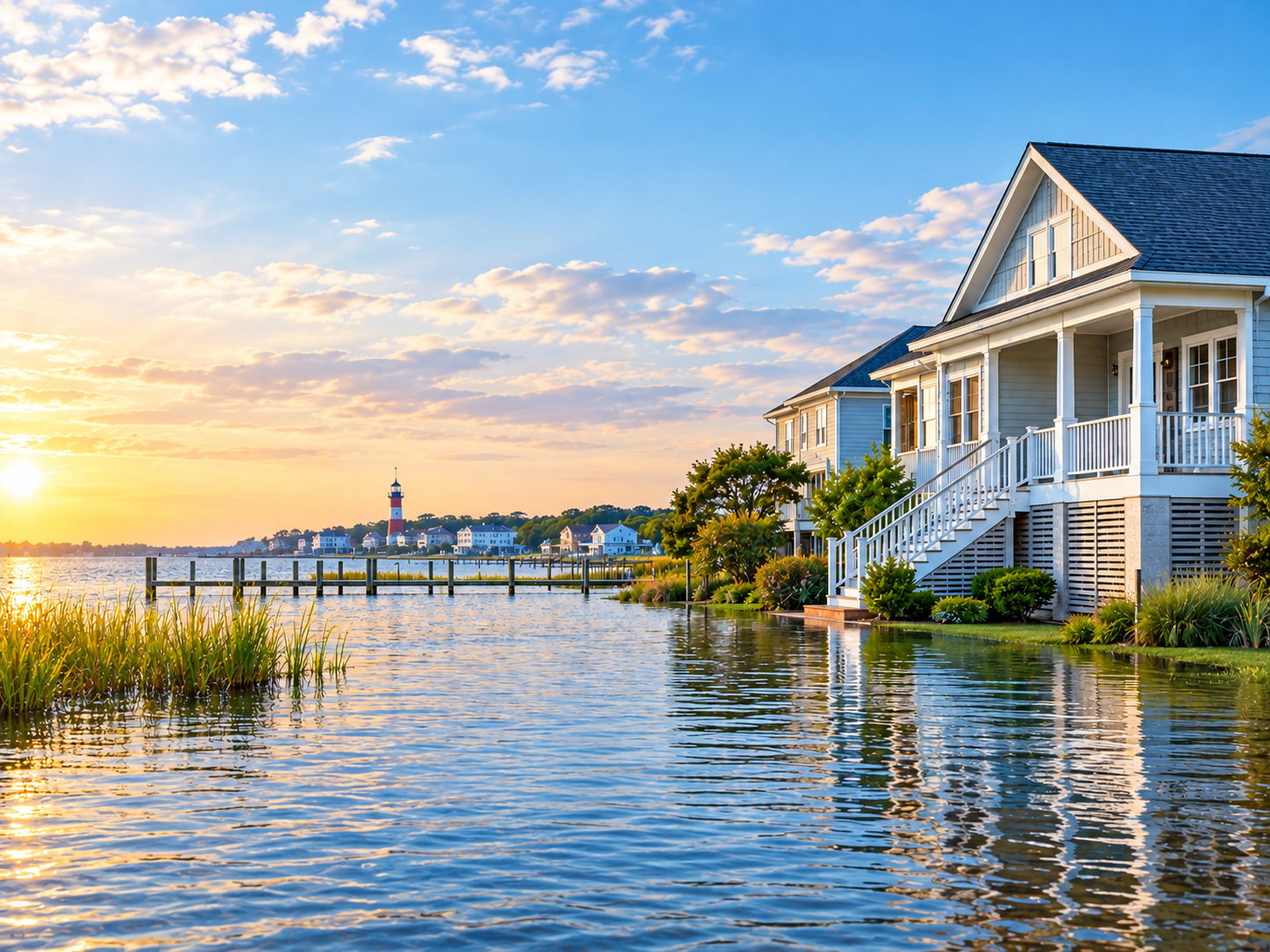
Many houses were built with vents surrounding the crawlspace; the idea was sound enough, allow circulation of air and prevent moisture. This was fine in areas where there was not much moisture. On the coast, however, ventilation will have quite the opposite effect, it allows moist air to enter directly into a closed and cooler area, and cooler air and moisture create condensation.
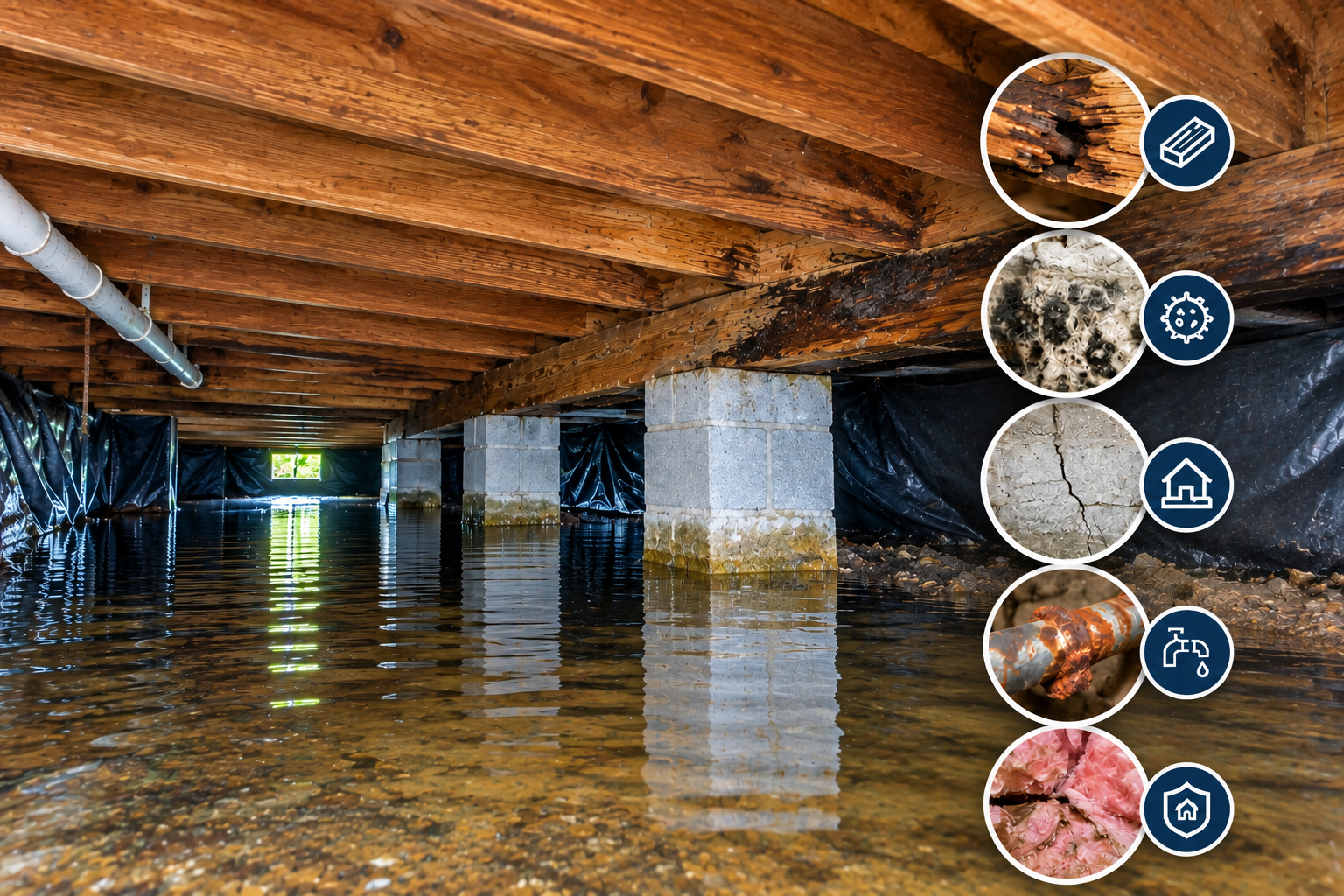
Imagine moist air contacting your floor joists and subflooring structures, which are notably colder than outside air. Moisture collects there. And this isn't a one-off event. During the humid stretch of the year, it happens over and over, day after day, which means the space underneath your home almost never gets the chance to actually dry back out.
There's also groundwater to think about. Heavy rain, a high water table, drainage that isn't doing its job, any of these can let water seep through the foundation walls or pool beneath the house. Put that together with the condensation problem and now you've got moisture coming in from two directions at once. That combination wears things down faster than either issue would on its own.
What Moisture Does to the Wood Over Time
Dry wood is strong. That's the whole reason floor joists and beams work as well as they do. But keep that wood wet long enough and its physical makeup starts to change on you.
It loses stiffness. It flexes more than it should when weight's on it, and that extra give is what eventually turns into sag or unevenness upstairs. You're not going to notice it right away, either. It creeps in slowly, which is part of the reason so many people don't put it together until things are pretty far along.
Mold's usually part of this too. Giving moisture enough time and biological growth is nearly guaranteed, and that speeds up the wood breakdown even more. Insulation suffers along with it, losing effectiveness and making the whole house harder to keep at a consistent temperature and humidity level.
None of this just stops on its own. It keeps going unless something interrupts it, which is why crawlspace encapsulation services providers exist in the first place. Left alone, this doesn't level off. It gets worse.
Why Sagging Floors Are Usually the First Sign You Notice
Crawlspace damage happens somewhere you never look. A space under your house can be falling apart for months before anyone upstairs has a clue.
Once a person takes notice, the cause will be directly connected to the floor itself. Weakened joists and shifting supports mean that the load cannot be distributed evenly, and therefore the load has to find another place on the floor to distribute.
Plenty of people just assume it's normal settling, especially in an older house. Sometimes that's a fair call. But if moisture's behind it, this isn't a one-time thing that already happened and stopped. It's active. It's still moving. And it won't quit unless something changes.
Encapsulation: Why It's the Real Fix, Not a Bonus Upgrade
More homeowners are turning to crawl space encapsulation Virginia beach providers as soon as moisture becomes a concern, rather than waiting for visible damage. Once you know moisture's driving the problem, that's where the fix has to start. In a climate like ours, crawlspace encapsulation is really the only approach that deals with the cause instead of just covering for it.
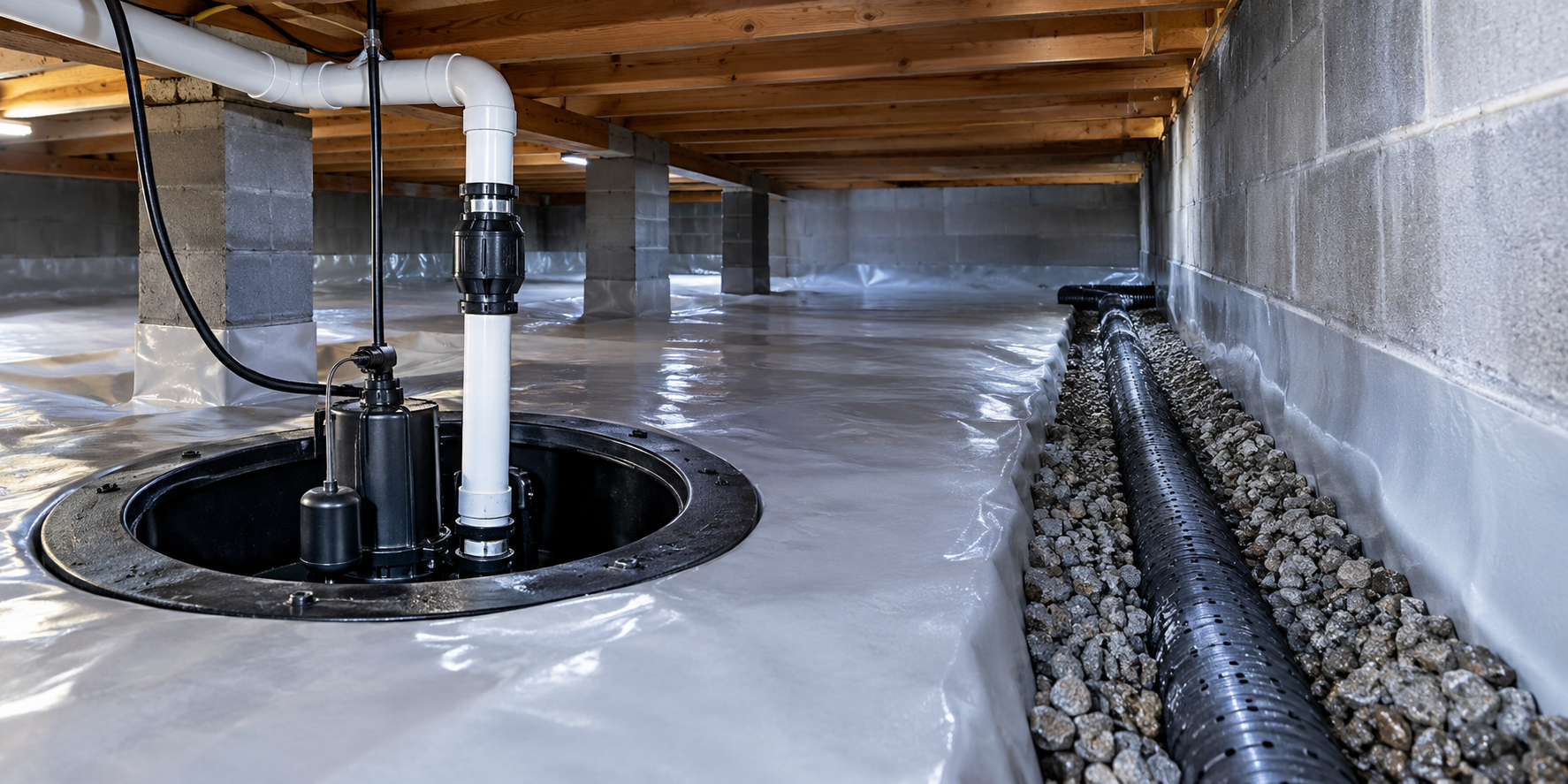
This includes the sealing of the crawl space from external moisture and air. A vapor barrier is installed on the floor and walls; vents are sealed and not opened; and a dehumidifier is installed to prevent further humidity increase in the future.
Once that seal is in place, the condensation cycle that was driving all this just stops happening. That's what allows structural repairs to actually hold up over time. Skip encapsulation and you're patching a symptom while the actual cause keeps chipping away underneath.
When Moisture Damage Needs More Than Just Encapsulation
Sometimes the damage is far enough along that controlling the environment isn't going to cut it by itself. At that point, whatever's been weakened needs to be reinforced or swapped out to get the floor back to where it should be.
That's usually where crawlspace support systems come in. They go in beneath the joists that took the worst of it, taking pressure off and spreading the load more evenly across the structure.
One thing worth saying clearly: reinforcement should come after the moisture's under control, not before. Skip encapsulation and jump straight to structural fixes, and you're basically setting up the same failure to happen all over again.
How Moisture Affects the Foundation Too
Wood isn't the only thing at risk here. Moisture affects the composition of soil in your foundation area, which causes other problems. Excessive moisture will either soften or erode the soil supporting your house, thus causing uneven settling.
In Virginia Beach, the composition of soil is primarily sand and clay based, and is affected by moisture changes. Expansion, contraction, sometimes actual displacement. All of that changes how weight gets carried across the foundation, and over time it can throw the whole structure out of balance.
If it's gotten far enough, foundation repair Virginia Beach VA experts may be the only ones who can bring it back to something stable. Worth remembering that a crawlspace problem doesn't always stay a crawlspace problem. It can work its way into the foundation if nobody catches it in time.
Where Drainage Fits Into All This
Encapsulation handles the airborne moisture side of things, but it doesn't do much about water coming up from the ground. If you're dealing with actual water intrusion, or the moisture level under the house just stays high no matter what, you need drainage in the mix too.
Drainage systems for crawl spaces are designed to gather water and then move it away from the house foundation so that it doesn't create other problems. The majority of the drainage systems have a perimeter drain system along with a sump pump.
In absence of this system, whatever else is done, the water continues coming into the house foundation again.
Picking the Right People to Call
Because crawlspace problems tend to touch on environmental, structural, and sometimes foundation issues all at once, who you hire actually matters here. This is usually when people start searching crawl space companies near me, hoping to find someone who actually knows the local conditions instead of running a one-size-fits-all playbook.
A solid provider inspects the whole picture, figures out everything that's contributing, and builds a plan around both what you can see and what's causing it. Around here, with the humidity and soil doing what they do, that local knowledge isn't a nice-to-have. It's what separates a fix that lasts from one you'll be redoing in three years.
Frequently Asked Question
1. Can moisture alone cause a floor to sag?
Yes. Long-term exposure to high humidity weakens the wood holding your floor up, and once it can't carry weight the way it used to, sagging follows.
2. Do I need encapsulation even without standing water?
Yes. Condensation and airborne humidity cause real damage on their own, no visible pooling required.
3. Should structural repairs happen before moisture gets addressed?
No. Moisture comes first. Structural work done before that won't hold up for long.
4. How do I know if I need drainage, encapsulation, or both?
That's something a professional inspection should sort out. It'll show whether the moisture's coming from the air, the ground, or both, and point you toward the right fix from there.
5. Is every sagging floor a crawlspace issue?
Not always, but in homes with crawlspaces, moisture, structural wear, or soil movement underneath are the usual suspects by a wide margin.
Conclusion
Moisture is behind most of what goes wrong structurally in Virginia Beach crawlspace homes. It's slow, but it doesn't stop on its own, and given enough time it works through the wood, the soil, and eventually the whole structure if nobody steps in. A sagging floor is usually just the first sign that something's been happening underneath for a while already.
Getting a fix that actually lasts means treating the moisture as the real problem, not just patching the floor and calling it done. Crawl space specialists near me can help you figure out where things stand, but any repair that only deals with what's visible upstairs probably isn't going to hold.