Make the most of the season by following these simple guidelines
Website Editor • January 21, 2026
The new season is a great reason to make and keep resolutions. Whether it’s eating right or cleaning out the garage, here are some tips for making and keeping resolutions.
Make a list
Check the list regularly
Reward yourself
Think positively
Lists are great ways to stay on track. Write down some big things you want to accomplish and some smaller things, too.
Check the list regularly
Don’t forget to check in and see how you’re doing. Just because you don’t achieve the big goals right away doesn’t mean you’re not making progress.
Reward yourself
When you succeed in achieving a goal, be it a big one or a small one, make sure to pat yourself on the back.
Think positively
Positive thinking is a major factor in success. So instead of mulling over things that didn’t go quite right, remind yourself of things that did.

Looking for crawl space companies near me? Learn how moisture causes sagging floors and discover effective solutions for long-lasting crawlspace repair.
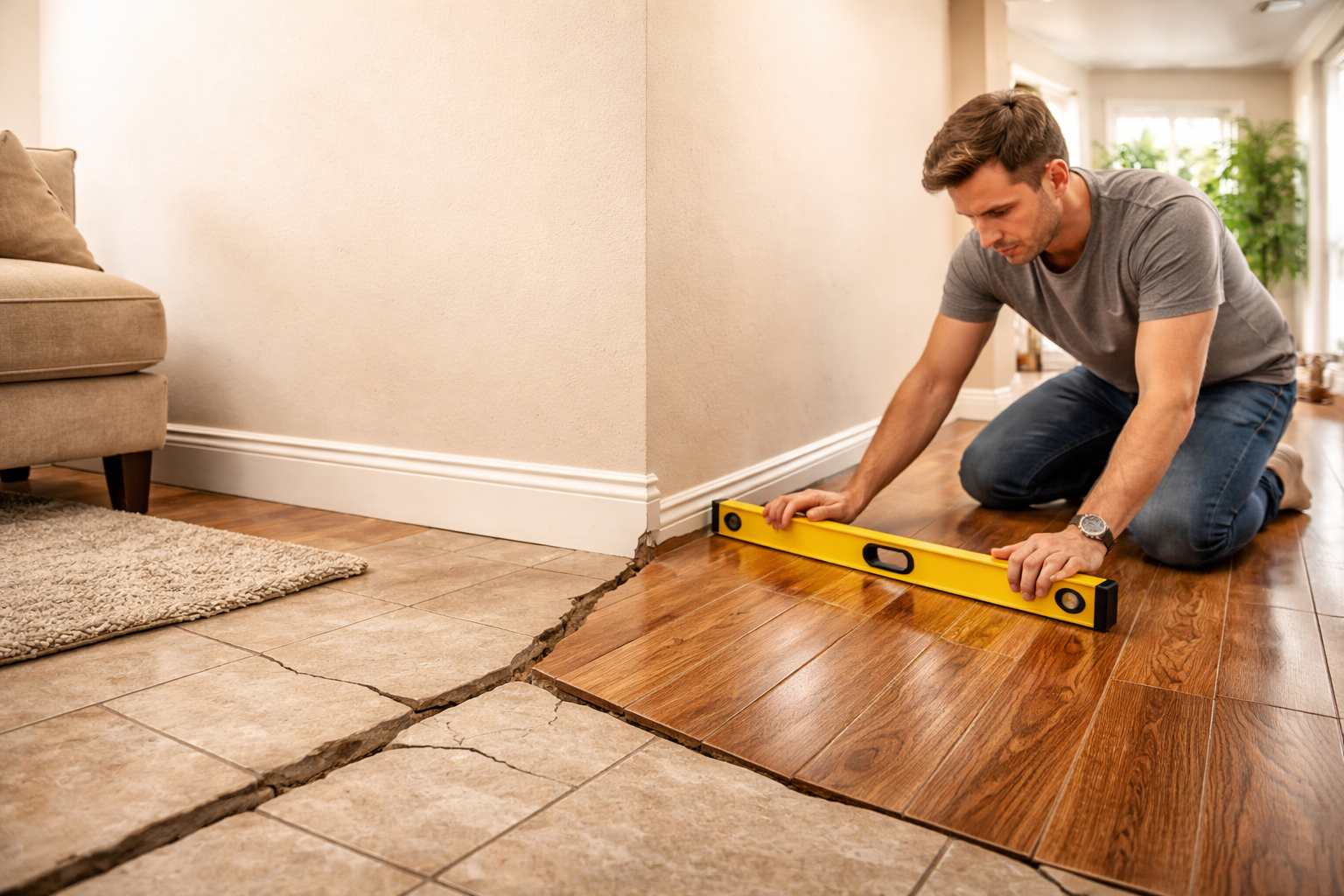
Uneven floors at home? Learn causes and when to consider foundation repair Virginia Beach VA. Spot early signs of crawl space or structural issues.
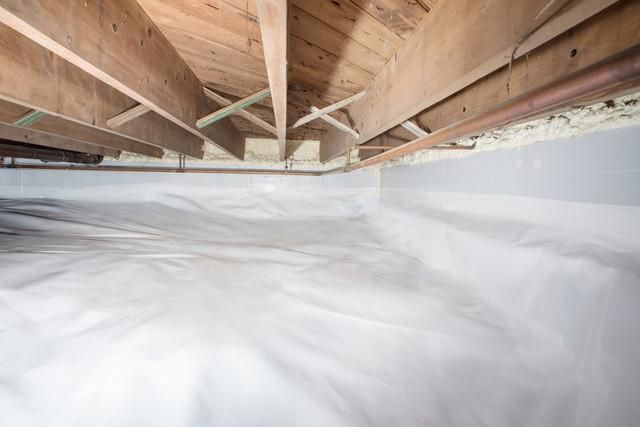
If you live in Virginia Beach, you already know moisture is just… part of the deal. The air’s heavy. The ground never really feels dry. Even on sunny days, there’s this constant dampness hanging around. Most homeowners don’t start by thinking about crawl space encapsulation Virginia Beach . They start small. Totally reasonable. A little mold cleanup here. Replace some soggy insulation there. Patch a vent. Maybe throw in a fan and hope for the best. And for a bit, it feels like you fixed it. Until the smell comes back. Or the floors feel soft again. Or your house just feels humid no matter what you do. That’s usually when it hits: this isn’t just a repair problem anymore. You keep “fixing” things, but nothing ever really stays fixed This is usually the first real warning sign. If you’ve already spent money on crawl space repairs — mold treatment, insulation replacement, minor wood fixes — and the same issues keep popping back up, that’s not bad workmanship. And it’s not you missing something obvious. It means moisture is still getting in. Constantly. Repairs handle damage after it happens. Encapsulation deals with why it keeps happening in the first place. In a place like Virginia Beach, where humidity and groundwater don’t take breaks, that difference matters a lot more than people realize. That musty smell won’t go away Let’s be honest — musty smells are hard to ignore once you notice them. Maybe it’s stronger after a rain. Maybe it hits you when you walk downstairs in the morning. Maybe guests don’t say anything, but you know it’s there. Here’s the uncomfortable part: a big chunk of the air inside your home comes up from the crawl space. So if that space smells damp or earthy, your house will eventually smell the same. You can deodorize all you want, but unless the crawl space itself is sealed and dried, the odor usually finds its way back. Encapsulation stops that air exchange. Repairs alone don’t. Your AC is running, but the house still feels sticky This one frustrates a lot of homeowners. You crank the AC. You check the thermostat. Everything seems to be working. But the house still feels clammy — especially in summer. That’s often because your crawl space is pumping moisture upward nonstop. Your HVAC system ends up fighting humidity that never should’ve been there to begin with. If you’ve noticed condensation on windows, rooms that feel damp, or humidity that just won’t settle down, don’t be surprised if the crawl space is behind it. Encapsulation helps control humidity at the source, not just inside the living space. The crawl space feels damp even when it hasn’t rained This is incredibly common in coastal homes. Homeowners expect moisture after storms. That makes sense. But if your crawl space still feels wet or heavy during dry weather, something else is going on. In Virginia Beach, vented crawl spaces often pull humid outdoor air inside. That air cools down under the house, condenses, and turns into moisture — even without rain. So no, “letting it breathe” doesn’t really work here. Encapsulation creates a sealed, controlled environment instead of relying on outdoor air that’s already full of moisture. Wood, metal, or supports keep showing signs of moisture damage This is where things get serious. If floor joists, beams, or metal components show rust, rot, or mold again and again, that’s not just cosmetic. That’s long-term exposure. You can clean wood. You can reinforce areas. But if humidity stays high, the damage quietly continues. Encapsulation helps protect the structure itself by keeping moisture levels stable over time. That’s not just about comfort — it’s about protecting the bones of your home. Pests seem a little too comfortable under your house Moist crawl spaces attract pests. Always have. If insects, rodents, or other critters keep showing up no matter how many traps or treatments you try, moisture is probably part of the reason they’re settling in. Encapsulation seals entry points, dries the space, and makes the crawl space a lot less appealing to anything looking for a cozy, damp hiding spot. You’re tired of the cycle and plan to stay in your home This part doesn’t get talked about enough. If this is a short-term house, you might tolerate repeat repairs. But if you plan to stay long-term, constantly fixing moisture-related issues gets exhausting — and expensive. Crawlspace encapsulation services is often chosen not because things are falling apart, but because homeowners want stability. They want to stop reacting and start preventing. And honestly? That peace of mind counts for a lot. The bottom line In Virginia Beach, crawl space problems don’t usually show up all at once. They creep in. Slowly. Quietly. Expensively. If repairs keep piling up without real improvement, that’s not failure — it’s a sign the environment itself needs to change. Encapsulation isn’t always the answer. But when moisture keeps winning no matter what you patch or replace, it’s usually time to stop chasing symptoms and deal with the source. Your home — and your sanity — will thank you later.

There are so many good reasons to communicate with site visitors. Tell them about sales and new products or update them with tips and information.

Write about something you know. If you don’t know much about a specific topic that will interest your readers, invite an expert to write about it.